Mother
The Berlin Wall fell in November 1989. Less than a year later, Sinéad O'Connor stood where it had been and sang a song about the walls that don't fall.
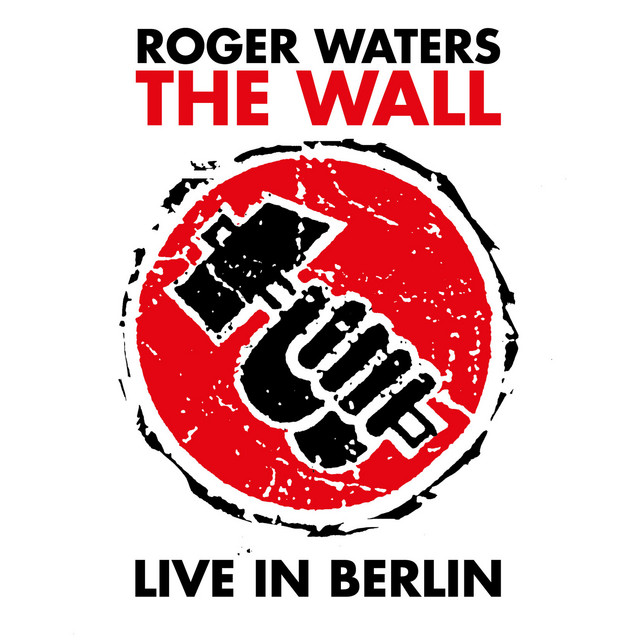
The Berlin Wall fell in November 1989. Less than a year later, Roger Waters staged The Wall on the ground where it had stood, and a twenty-three-year-old Irish woman named Sinéad O’Connor sang “Mother.”
Hold on to that. The wall was down. The song is about the ones that weren’t.
The studio recording from 1979 is a good song. Waters sings both parts himself — the frightened child asking the questions, the overprotective mother answering them — and it works. It’s clever. It makes its point. You can hear, from a comfortable distance, exactly what he was after.
But hearing what a song is after and being inside the song are two different things. The difference, in this case, is one singer.
Waters filled the Berlin stage with famous names. Van Morrison was there. Joni Mitchell. Bryan Adams, Cyndi Lauper, The Band. It was a massive production at the most charged site in Europe, and most of it has settled into history the way concerts that size do.
O’Connor is the one everyone remembers.
She was twenty-three years old. She had already shaved her head. She had already refused to let the National Anthem play before her concerts. She had been raised in Ireland by the Catholic Church, survived abuse, and escaped, and she would spend the rest of her life tearing down walls that most people pretended didn’t exist. Family, church, country — institutions that build a wall around you and call it protection. She knew that subject before anyone handed her a lyric sheet.
And the part Waters gave her was the mother. Not the child behind the wall — the one building it.
Here is what she does with it, and why it’s hard to listen to.
There is no villainy in her voice. None. She sounds genuinely loving. Genuinely concerned. Waters sings the child’s questions — will they try to break my heart, will they tear your little boy apart — and O’Connor answers with promises that sound like lullabies and feel like prison sentences. Of course not, baby. Mother’s here. Mother won’t let anything happen to you.
The comfort is real. That’s the part you can’t get around. She isn’t playing a monster, because the mother in the song isn’t one. The love is real and the cage is real and they are the same gesture, every gentle reassurance laying another course of brick. The studio version lets you observe that dynamic from a safe distance. The Berlin version puts you inside it. You feel the warmth. You feel the trap closing. You understand, in a way the original never quite managed, that the most dangerous walls are the ones built with love.
A woman who had been on the receiving end of that kind of protection sang the protector’s lines without flinching. That is the performance.
Then there is the ground she was standing on.
A song about walls, performed where the most famous wall of the twentieth century had just been torn down. The crowd that night included people who had spent their entire lives behind it. They had watched the visible wall come down less than a year earlier. Now they stood in the open and listened to a story about the invisible ones — the ones that don’t fall when governments change. The ones we carry inside ourselves.
I don’t think you can stage that. You can book the site and book the singers, but you can’t manufacture what happened when that voice met that place in that year. Some songs are better in the studio. Some need the room, the imperfections, the specific moment in time. This one needed Berlin in 1990 and a twenty-three-year-old who had lived the lyric from the inside.
It still haunts me, thirty-five years on. The good version of this song was always available. The true version happened once.
One wall came down that year. She stood on the rubble and sang about the others.