Shine On You Crazy Diamond
While Pink Floyd recorded their 26-minute goodbye to Syd Barrett, a fat, bald stranger wandered into the studio. It was Syd. Nobody recognized him.
In 1975, while Pink Floyd were recording a twenty-six-minute song about Syd Barrett, a fat, bald man wandered into the studio. Nobody recognized him at first. It was Syd. He had shaved his eyebrows. He had gained so much weight he looked like a different person. He sat down and watched his old band record a song about losing him.
Everything this song is, is in that room. So stay there a minute.
Syd Barrett founded Pink Floyd. He named the band. He wrote their early hits and defined the psychedelic sound they started with. Then his mind broke — acid, schizophrenia, some combination nobody was ever able to untangle — and by 1968 he was gone. The band kept going without him. They became one of the biggest rock acts in the world.
For seven years they said nothing about it on a record. Then, in 1975, they wrote him a letter.
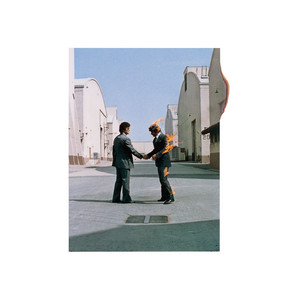
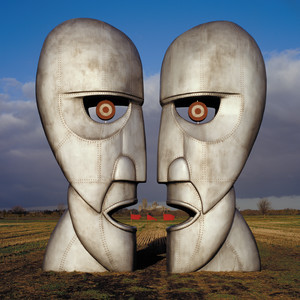
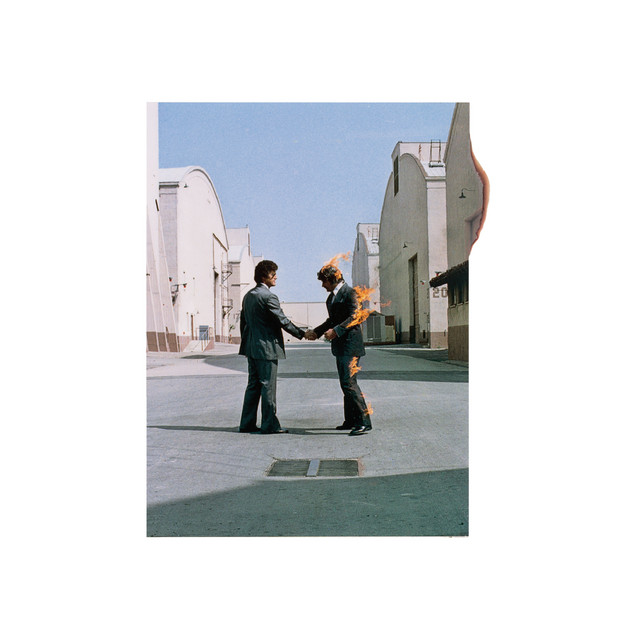
“Shine On You Crazy Diamond” stretches across both sides of Wish You Were Here — it opens the album and it closes it, twenty-six minutes of elegy wrapped around a record that is about absence the whole way through. The first four notes spell out Syd’s name in the key of B-A-D-D. Nobody told the band this. They discovered it later.
I don’t know what to do with a detail like that except report it.
Gilmour’s guitar enters slowly, bending notes like questions that don’t have answers. For several minutes nothing pushes forward. There is no urgency — just space, grief spreading out to fill whatever room you’re in. The band that wrote it had spent seven years not saying this, and you can hear all seven of those years in how long it takes them to start.
When Waters finally sings, his voice is quiet. “Remember when you were young? You shone like the sun.” Past tense. The man in the lyric is already gone, and the band singing about him knew it better than anyone, because they were the ones who had kept going.
Now go back to the studio.
The song is on the tape. The man it’s about is sitting in the room. He has no eyebrows. His own bandmates needed time to figure out who he was. And he watched them record a song about losing him, and they could not tell whether he understood.
That’s the sentence I keep stopping on. Not the twenty-six minutes, not the four notes. They could not tell whether he understood. The whole song is an attempt to reach somebody, and the somebody showed up in person, sat down in front of it, and stayed unreadable. The distance the song was written to cross was right there in the room, and the song could not cross it.
He left and never came back.
Syd Barrett died in 2006. He had spent thirty years alone in his mother’s house, painting paintings nobody saw. The shine the song mourned had gone out decades before the man did, which is the specific kind of loss this song was built for — not death, but the longer thing, where the person is alive somewhere and already past reaching.
Most elegies get written after the funeral, sung to a room the subject will never enter. This one got something almost no goodbye gets: the person it was for, present at its making, watching.
Twenty-six minutes and one second. Long enough to say almost anything. They got to say goodbye to his face, which is more than most people ever get.
They will never know if he heard it.