Take It Back
The guitar solo on Take It Back is thirty seconds long. Fans wanted five minutes. Thirty seconds was the whole argument.
The guitar solo on “Take It Back” is thirty seconds long.
Fans wanted the five-minute version — the weeping Stratocaster, the slow build to catharsis, the thing a Pink Floyd solo is supposed to be. Gilmour gave them thirty seconds and stopped. I think those thirty seconds are the most honest thing on the record, and I want to explain why.
The conventional wisdom says Pink Floyd died when Roger Waters walked out the door. That everything after was Gilmour and a bunch of session players wearing the name. I believed a version of that for a long time, because it’s an easy thing to believe. It has a villain, it has a death date, it lets you stop listening.
The conventional wisdom is wrong, and “Take It Back” is where I’d send anyone who needs convincing.
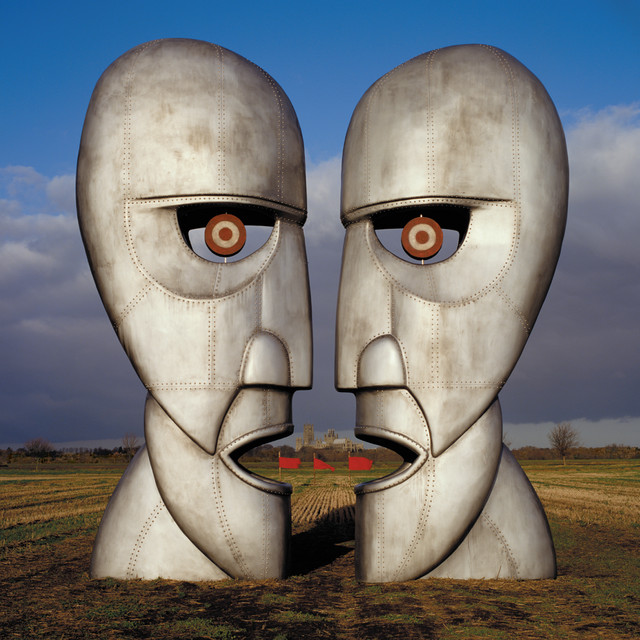
The Division Bell came out in 1994. Seventeen years after Animals. That’s long enough that the band on this record and the band you remember are not the same people, and the song doesn’t pretend otherwise. “Take It Back” sounds nothing like “Comfortably Numb.” It sounds nothing like “Shine On You Crazy Diamond.” It sounds like a pop song — a good one — and that drove people crazy.
Here is what I think Gilmour understood that the purists didn’t. Accessibility isn’t compromise.
You can write something with hooks and melodies, something that works on the radio between Soundgarden and Counting Crows, and still mean every note of it. The atmospheric Floyd textures are all still here. They didn’t go anywhere. What changed is what they’re for. On the old records they were the destination — an hour-long journey you committed to or you didn’t. Here they’re in service of a song. Four minutes and twenty-two seconds, in and out.
That’s not a band running out of ideas. That’s a songwriter deciding the song matters more than the monument. Those are different things, and one of them is harder.
The song carries an environmental message, and in 1994 that was a hard thing to attempt without sounding cheap. Everyone was worried about the ozone layer. Bands were putting Save The Rainforest stickers on their guitars. The whole subject had curdled into something you nodded along to and didn’t feel.
Gilmour keeps it personal instead. The “take it back” isn’t a lecture. It’s a plea. A wish that something could be undone.
A lecture tells you what you did wrong. A plea admits the person making it is implicated too — that wishing something undone means knowing it can’t be. He doesn’t argue the case. He stands in the regret and lets you recognize it. Once you recognize it, the song stops being about the ozone layer. It’s about anything you’d take back if taking things back were a thing the world allowed. Most of us are carrying something in that category. The song knows it.
Which brings me back to the solo.
Thirty seconds. Everything he wanted to say, and nothing held back for the encore. The fans who complained were asking for proof that Pink Floyd was still Pink Floyd, and the proof they wanted was length. Gilmour declined to provide it. He’d already made the argument in the writing — that the band that gave you the hour-long journey could also give you four minutes that work, and that meaning it has nothing to do with how long you go on.
A man who plays a thirty-second solo when the whole world wants five minutes is telling you he trusts the song. The song earned it.