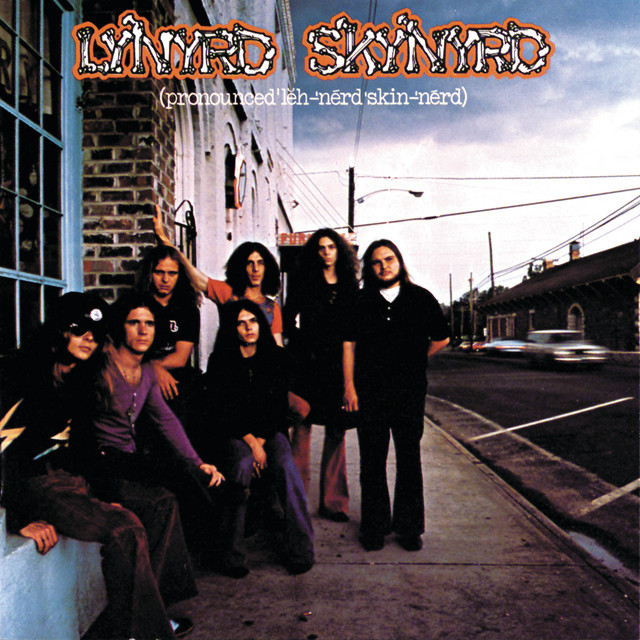
Free Bird
Ronnie Van Zant opened it with a question — would you remember me. He sang it in 1973. In 1977 the plane went down.
Ronnie Van Zant opened “Free Bird” with a question. If I leave here tomorrow, would you still remember me? He sang it in 1973. The plane went down in 1977. The question has been getting answered ever since.
Most people meet this song backwards. They know the guitar solo first — fifty years of it shouted at concerts, dropped into movies as shorthand for freedom, the song you play driving too fast with the windows down. All of that is real. And all of it sits on top of something quieter, something the noise makes easy to miss. Before the guitars, there is a man at a piano, telling a woman he loves her and can’t stay.
He isn’t bragging about it. That’s the part worth slowing down for. The bird isn’t bravado. It’s confession. Some people are wired to leave. They don’t want to be. They just are. The song doesn’t defend that, and it doesn’t pretend it costs nothing. It says it out loud, slowly, before the part everybody came for.
Van Zant wrote the words. Allen Collins wrote the melody. For almost five minutes what they made is a ballad — tender, regretful, the kind of thing you could slow dance to if you weren’t listening too closely to what it was saying. A man asking whether he’d be remembered is a man already half out the door. The song knows that about itself from the first line.
Then the tempo changes.
The outro that follows is long because it has somewhere to go. Collins and Gary Rossington trade solos, push each other higher, find another peak every time you’re sure they’ve found the last one. In concert it could run fifteen minutes. None of it reads as padding. The quiet half of the song is a man saying he has to go. The loud half is what going feels like. The ballad makes the promise and the guitars keep it.
Somewhere along the way, shouting “Free Bird” at a stage — any stage, any band — became its own tradition. Ritual, prayer, joke, depending on who was yelling. A song about a man who can’t stay became the request audiences will not let go of. Fifty years of strangers in dark rooms demanding it by name.
That gets played for laughs. I don’t think it’s funny so much as plain evidence. People do not spend fifty years yelling for a song that has nothing in it.
In 1977 the plane crashed. Van Zant died. Steve Gaines died. Allen Collins survived, and was never the same. Years later a car accident left him paralyzed, and he died soon after.
There is no way to dress that up and no reason to try. The man who asked, at the top of his own song, whether anyone would remember him if he left tomorrow, left the way the song always said he would — suddenly, and for good. The man who wrote the melody watched the song grow larger than the band that made it, from a body that no longer worked. The song outlived its makers.
I come back to that opening line more than I come back to the solo. The solo is the monument. The line is the man. He asked a question in 1973 that most of us are too careful to ask out loud — will any of this stick, will you keep me after I’m gone — and then he didn’t get the long life it would have taken to find out the slow way.
The audience has been finding out for him ever since. Fifty years on, people still shout the song’s name at stages that have nothing to do with the band that made it.