For What It's Worth
Stephen Stills wrote it about a curfew. Fifty-eight years later it still plays over protest footage.
Riot gear on Sunset Boulevard. Cops facing down teenagers outside the nightclubs — the Sunset Strip riots of 1966, kids protesting curfew laws and club closures, police overreacting, property owners who wanted the riffraff gone. Stephen Stills stood there and watched it, and what came out of him was not an argument. Something happening here. What it is ain’t exactly clear. That is a man admitting, in the first two lines, that he does not know yet. Most protest songs start with the verdict. This one starts with the confusion.
The scale of it seems almost quaint now. The grievance was small — kids wanted the clubs open and the curfew gone — and the response was not. If you wanted to invent a scene that shows how fast a small disagreement becomes a standoff, you could not do better than the one Stills happened to be standing in.
And he saw it that way. He saw something universal in the local chaos. He saw what happens when authority and youth stop talking and start posturing — when both sides quit being people with positions and become positions with people attached. He saw the beginning of cracks that would split the whole country wide open. He could not have known how wide. But the song sounds like he suspected.
Listen to how calm it is. That is the unsettling part.
The guitar riff is three notes, hypnotic, circling, and it never resolves. The bass walks in a minor key. Nothing builds toward release, because the situation it describes had no release coming. And over all of it, Stills just observes. There’s a man with a gun over there. Battle lines being drawn. He states what is in front of him, one item at a time, the way you would describe a room to someone who cannot see it.
He does not pick a side. The kids do not get a hero’s verse and the cops do not get a villain’s. Nobody’s right if everybody’s wrong is the closest the song comes to a judgment, and it convicts everyone in the frame at once. He is not above the scene — he is in it, and worried — but he refuses to flatter either half of it. He watches everyone lose.
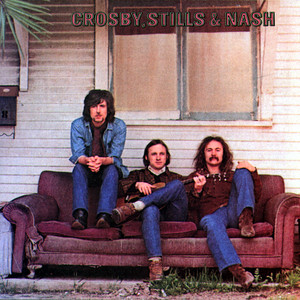
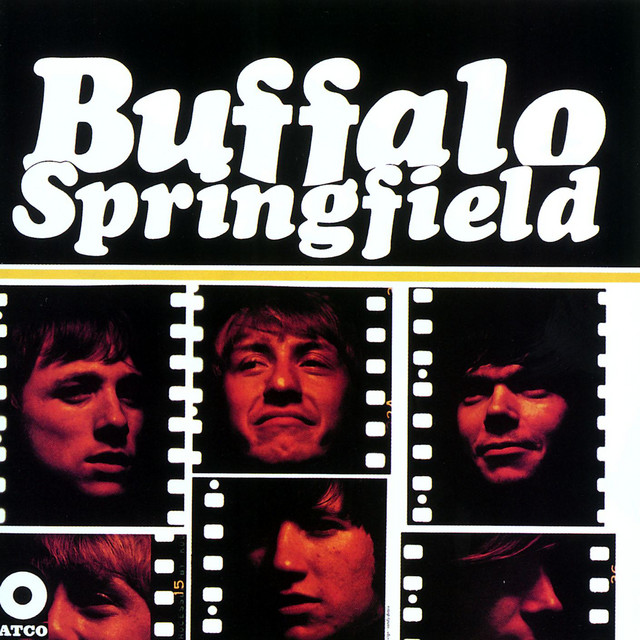
Buffalo Springfield had Neil Young and Stephen Stills in the same band. Think about the firepower in that room. They could have made this song explosive, and nobody would have blamed them — the subject matter invited it. Instead they kept it at a whisper.
That was the right call, and it is the reason the song survived. A scream tells you what to feel, and you can refuse a scream. A whisper makes you lean in. You lean in to hear it, and by the time you have heard it, the song already has you. The whisper carried further than any scream would have.
Fifty-eight years later, the song still plays over footage of protests. Different decades, different causes, same fundamental fracture — authority on one side, the young on the other, nobody talking, everybody posturing. The footage changes and the song does not have to.
That is not because Stills wrote about 1966 well. It is because he barely wrote about 1966 at all. He wrote down the shape of the thing — the standoff itself, stripped of its particulars — and the shape keeps recurring. He captured something permanent about American anxiety: the feeling that something is happening here and we are not going to like where it leads.
A warning is supposed to expire. Either the thing it warned about arrives, or it doesn’t, and either way the warning becomes history. Some songs age. This one just keeps being relevant, which is the worst thing a warning can do.
It started over a curfew.