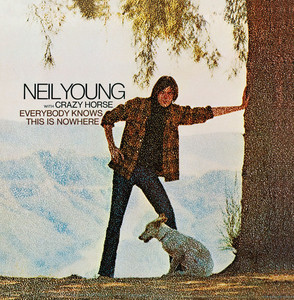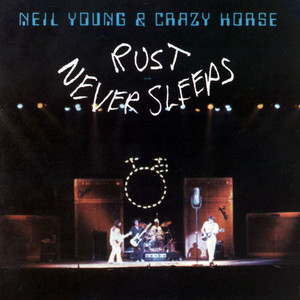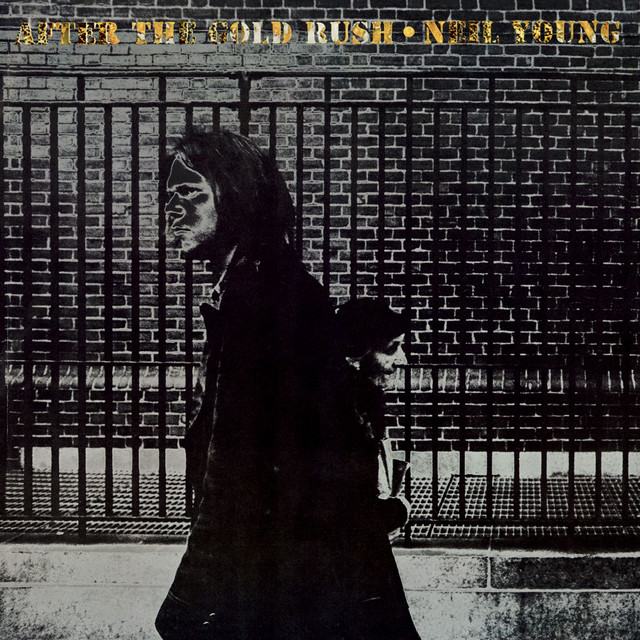
Southern Man
Ronnie Van Zant answered Neil Young in a song, then wore his t-shirt onstage. The argument 'Southern Man' started in 1970 still hasn't ended.
Ronnie Van Zant wore a Neil Young t-shirt onstage.
I want to set that down first, because every conversation about “Southern Man” eventually arrives at the answer record — Lynyrd Skynyrd telling Neil Young that a Southern man don’t need him around, anyhow. They traded jabs in song for years, and everyone called it a feud. The t-shirt says it was something more complicated than a feud. We’ll come back to it.
In 1970, Neil Young looked at the American South and said what he saw. Burning crosses. Segregated lunch counters. Centuries of brutality written into the landscape, and a region that celebrated its history while refusing to reckon with it. He picked up a guitar and said so out loud. “Southern Man” is an accusation set to music, and Young never dressed it up as anything gentler than that.
The song itself doesn’t announce what it is right away. It starts almost gently — acoustic strumming, that high lonesome voice setting the scene. Then the electric guitar comes in, and over nearly six minutes the thing builds into a confrontation. In live versions with Crazy Horse, the solos stretched out further still — feedback screaming, notes bent until they break, the guitar sounding like someone trying to burn something down. He wasn’t trying to be diplomatic. He was trying to be heard.
That distinction matters. There are protest songs that want you to nod along, and there are songs that want to make you uncomfortable enough to answer. This is the second kind. Young aimed it at a whole region, by name, and let the guitar carry the part of the argument that words couldn’t.
Was it fair?
Ronnie Van Zant didn’t think so. “Sweet Home Alabama” was his response — not a denial of everything Young said, but a reminder that Southern identity was more complicated than a Canadian outsider understood. That a place is not only its worst history. That the people who live there get a say in what their home means.
Here is the honest accounting, and it took me a long time to get comfortable saying it this plainly: both songs are right. Neither is complete. Young was right that the brutality was real and the reckoning hadn’t come. Van Zant was right that an indictment of an entire region flattens the people in it. You can hold both. The two songs have been holding both for half a century, arguing back and forth across the radio, and the argument has outlived one of the men who started it.
Which is why the t-shirt stays with me.
Van Zant wrote the answer record. He sang, night after night, that a Southern man don’t need Neil Young around. And then he walked onstage wearing Neil Young’s face on his chest. That is not what a feud looks like. That is what it looks like when two people disagree about something that matters and respect each other enough to keep the argument going. The jabs were real. The accusation was real. So was the shirt.
We mostly don’t argue like that anymore. The modern version ends with one side declaring the other irredeemable and walking away. These two kept singing at each other instead, and the country got two great songs out of the disagreement — one that demands a reckoning, one that defends a home, each one sharper because the other exists.
But I don’t want to let the comfort of that story soften what Young actually asked. “Southern Man” is not half of a friendly debate. It is a man pointing at burning crosses and asking when the reckoning comes. Van Zant answered the tone. The question is still on the table.
Fifty years on, the reckoning Young demanded still hasn’t come. The two songs are still arguing across the radio, one demanding it, one defending a home, and the man who sang the answer wore his opponent’s face on his chest while he sang it.
A Southern man don’t need Neil Young around.