Take the Long Way Home
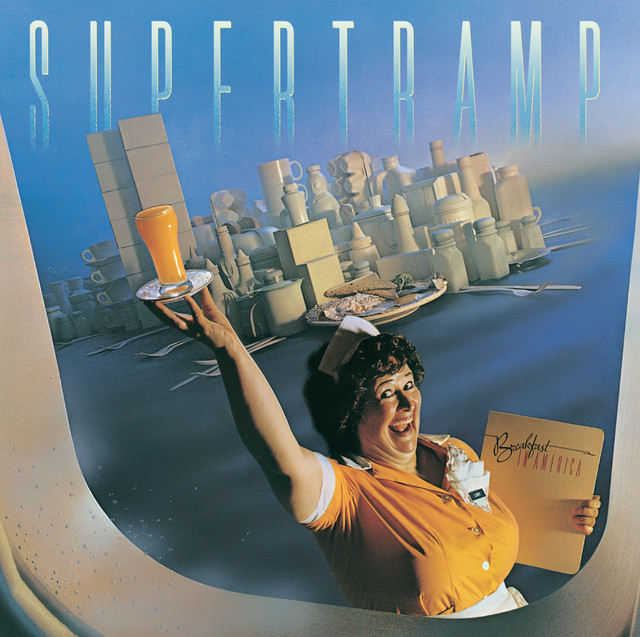
Breakfast in America sold sixteen million copies. One of its hits is about a man who can't make himself go home. Most people sang along anyway.
Breakfast in America sold sixteen million copies.
One of the songs on that record — a hit, a singalong, the kind of thing that plays with the windows down — is about a man who would rather sit in a bar than walk through his own front door. Sixteen million households brought that home with them. Most of them hummed it.
The first thing you hear is the harmonica, and it sounds happy. The whole arrangement does. It’s bright and catchy and it gets stuck in your head on an ordinary Tuesday, and you can sing along to it three times before you hear what you’ve been singing. I did. I suspect most people did.
People bought the album for “The Logical Song” and “Goodbye Stranger” — songs that felt good even when they weren’t saying anything good. “Take the Long Way Home” fit right in. Upbeat. Made for the car stereo. But the words underneath are darker than anything else on the record.
Here is the man in the song.
He’s a success by every external measure. He has the wife, the house, the comfortable life — every box checked, everything he was supposed to want. And he feels nothing. His wife sees him as a clown. He’d rather sit in a bar than go home to her.
So he takes the long way home. That’s the whole action of the song. Not a fight, not an affair, not a breakdown — just a detour. The long way home isn’t scenic. It’s avoidant. He’s buying himself a few more minutes before he has to return to a life that should make him happy and doesn’t.
That’s a small thing to build a song on, and that’s why it works. Most unhappiness doesn’t announce itself. It looks like a man driving slower than he needs to.
Roger Hodgson understood something about late-seventies prosperity, and he understood it early. A whole generation had grown up on the promise that success would equal fulfillment. By 1979 they had arrived. They had everything the advertisements told them to want, and a lot of them were discovering, quietly and alone, that they still felt empty.
There was no acceptable way to say that out loud. You couldn’t admit you’d achieved your dreams and found them hollow — not to your wife, not to your neighbors, not to yourself. Taking the long way home was the only protest available. A private one. Twenty extra minutes of not yet.
Hodgson put that into a pop song and dressed it in a cheerful harmonica, and sixteen million people carried it into the exact houses it was describing.
The production deserves a word, because the production is part of the meaning.
It’s impeccable. Every instrument precisely placed, the harmonies stacked just right, that harmonica adding its wistful edge over the top. The song sounds like a million bucks. And that is exactly the point — the song is doing what the man in the song is doing. It’s a polished, successful surface with something hollow moving underneath. Even the song itself is a success that somehow isn’t enough.
I don’t think that’s an accident. A rougher recording would have let you keep your distance — you could file it under sad songs and move on. This one doesn’t let you. It sounds like the life the narrator has. Comfortable, well-made, admired. You have to listen past how good it sounds to hear how bad it feels, which is the same thing his wife would have had to do.
Some songs make you feel good. This one makes you feel caught.
Because the test it sets is simple, and it isn’t really about 1979. Have you ever sat in the driveway with the engine off, not ready to go in? Have you ever taken the route with the extra light? The song doesn’t accuse you. It just plays, cheerful as anything, and waits to see if you recognize yourself.
Sixteen million copies. Nobody ever counted how many of those people took the long way home.