Round Here
Before Counting Crows existed, Adam Duritz played this alone in Bay Area clubs — voice and piano, already telling the truth about Maria.
Maria is standing on the back of a rented Cadillac in the middle of the night, and she says she’s dying. Not literally — or maybe literally, the song never says. She can’t hold still. She says things that don’t quite make sense. She belongs somewhere she can’t get to.
Adam Duritz was singing about her before Counting Crows existed, alone in Bay Area clubs, just voice and piano, already sounding like he was confessing things he wasn’t supposed to say out loud. The band came later. The seven million records came later. The song came first.
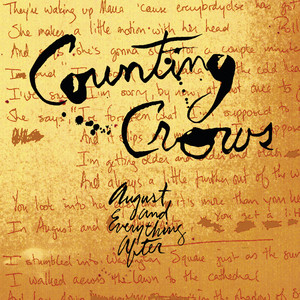
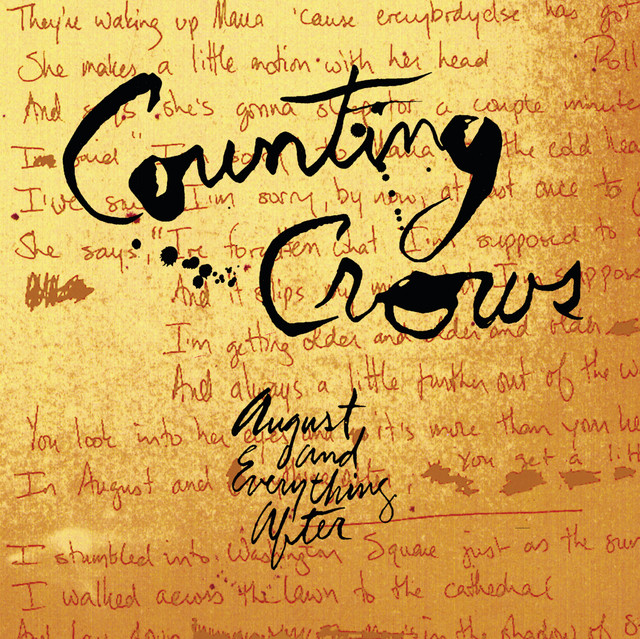
When August and Everything After came out in 1993, “Round Here” was the opening track. People remember “Mr. Jones” — the hit, the one about wanting to be a rock star — but this was the statement of purpose: six minutes about watching people you love spiral while you stand nearby, unable to help. The album sold seven million copies and made Duritz, briefly, the voice of a generation. The song is about a narrower hour than that. 3 AM, when everything feels urgent and impossible at the same time. When you know you should do something and can’t figure out what. When the people around you are all falling apart in their own separate ways and you are not equipped to catch any of them.
Most songs about that hour reach for an answer. This one doesn’t. When the band formed, they built the arrangement around what Duritz already had and didn’t tame it — it starts spare and accumulates intensity, reaching for catharsis without quite grasping it, which is the right call, because grasping it would have been a lie. Maria doesn’t get saved. The narrator doesn’t figure anything out. At the end of six minutes they are all still round here, circling the same problems, and that is not a flaw in the writing. That is the writing. Most of life’s hardest stretches don’t resolve either. They just keep going, and you keep standing near the people you love, and nobody gets carried out of the dark on a key change.
Think about what those club sets must have meant. No band, no arrangement, a man at a piano playing six minutes of material with no resolution in it. You don’t do that for ambition. You do it because the song is true and you need to say it.
Worth your time: Noah Gundersen’s cover strips the song down to its bones — just voice and electric guitar, no band to hide behind. Gundersen has said this is the song that made him want to write music, and you can hear it in every note. He isn’t trying to improve anything. The cover takes “Round Here” back to the form it had before anyone knew it: one person, one instrument, no armor, no distance — a man alone with the song that made him want to do this, confessing what it meant to him.