Woman in Chains
Oleta Adams was singing in a Kansas City hotel bar to a room that was barely paying attention. Roland Orzabal stopped.
Oleta Adams was singing in a Kansas City hotel bar, to a room that was barely paying attention.
Tears for Fears was on tour, stuck in town, and Roland Orzabal wandered in. He stopped. He listened. Then he convinced her to fly to England and sing on their album. Everything in this song comes back to that moment — one person in a hotel bar deciding the woman at the piano was worth standing still for.
Hold that picture while the song plays, because the song is about the same thing the bar was about. A voice like that, and a room full of people who couldn’t be bothered to turn around.
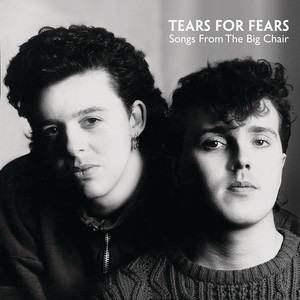
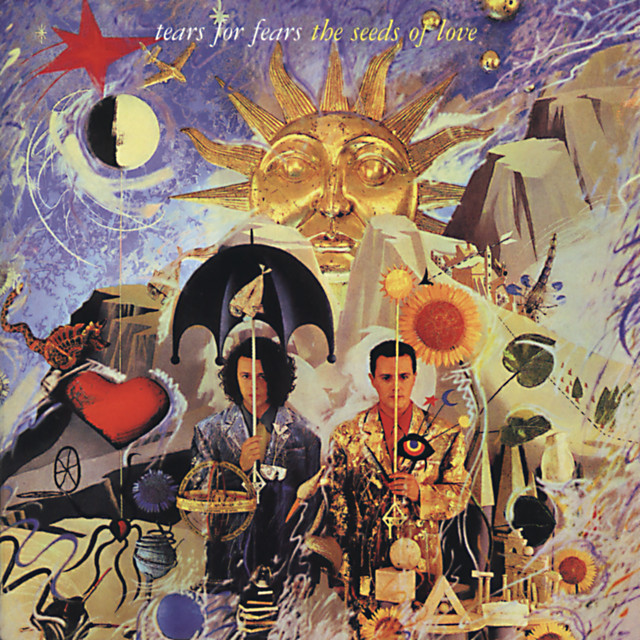
The track comes from The Seeds of Love, the 1989 album that nearly broke the band. Three years to make. A million dollars. The perfectionism and the studio excess have been held against the record ever since, and maybe fairly. But the process produced this, and six and a half minutes of this is a hard thing to argue with.
You can hear the money in the opening — piano and strings, lush to the point of suffocating. Roland carries the verses in that particular Tears for Fears register, wounded but controlled, a man holding something down. The song stays in that posture for a while. It is beautiful and it is closed.
Then Oleta Adams comes in, and the whole thing opens.
She does not interpret the song. Her voice becomes the song. That distinction matters, and it is the reason the hotel-bar story is not just a nice anecdote. Roland heard something in Kansas City that his record needed and could not manufacture — gospel in the middle of art-pop, soul where nothing in the band’s catalog said soul would be. He spent three years and a million dollars building the frame. She is the picture.
The song is built as a duet, and the duet is doing real work. Man and woman. The one who chains and the one who is chained. Those sound like fixed positions, and the song refuses to let them stay fixed — the lines blur, the roles shift, and by the time the two voices are trading the refrain, “so free her, so free her” is a plea going in both directions at once. He is asking for her freedom. She is asking for his. Neither of them is free yet.
Phil Collins plays drums on this track. I mention it plainly because it is true and worth knowing, and because it fits the larger fact about the recording: the drums, the voice, the songwriting all serve something none of the individual names on the credits could have made alone. Nobody on this track is auditioning. Everybody is carrying.
The chains themselves are never named. They are not about any one woman, and they are about every woman — societal, emotional, self-imposed, take your pick. The song does not sort them for you. And the honest thing is that once Oleta starts singing, you stop sorting them too. The metaphor stops being a metaphor. You just feel the weight.
The climax comes when she lets loose over the choir. Six minutes of tension, and this is where it goes. The easy reading is that this is the chains breaking — release, finally, after all that holding.
I am not sure the song believes that. Maybe the chains are still there when the last note fades. Maybe the song is honest enough to know that recognizing bondage is not the same as escaping it, and the climax is not freedom but the full voicing of what freedom would cost. The record lets you hear it either way. It does not resolve, because the thing it is about does not resolve.
What I keep coming back to is simpler than the metaphor. A woman with that voice was playing a hotel bar in Kansas City, and the room let it wash past them. The song she ended up on is about a woman the world has decided not to hear.
One man in that bar turned around. The rest of us got six and a half minutes of proof of what everyone else missed.