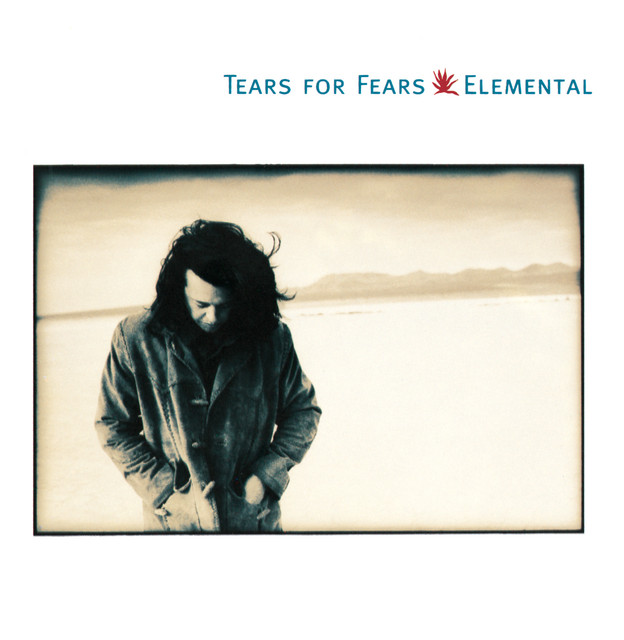
Elemental
The band was over. Roland Orzabal kept the name — legally because he could, emotionally because he had to — and made this.
Roland Orzabal kept the name.
Tears For Fears split after The Seeds of Love. Roland and Curt couldn’t be in the same room, and the band that made “Everybody Wants to Rule the World” and “Shout” was done. But the name didn’t go with the band. It stayed with Roland — legally because he could keep it, emotionally because he had to.
The first reason is paperwork. Lawyers settle that kind of question every day. The second reason is the one that explains the record. The name wasn’t an asset to him. It was the thing he’d poured his life into, and when the partnership underneath it collapsed, he wasn’t willing to let the word collapse too.
So in 1993, alone under a name built for two, he released Elemental.
It was a quieter record than people expected. No massive synth anthems. No stadium-ready choruses. The band’s whole reputation rested on bigness — those songs filled stadiums because they were built to — and the man who kept the name came back with something small on purpose. A man figuring out what remained after you stripped everything away.
The title track takes that literally. It is what it claims to be: a meditation on fundamental forces. Earth, air, fire, water. Love, fear, hope, despair. The things that exist whether or not your band is together. The things that matter when the contracts and the royalties and the lawsuits stop mattering.
Contracts. Royalties. Lawsuits. That’s the residue a band leaves when it dies — not memories first, paper first. A partnership that made some of the biggest songs of its decade ends up as a stack of documents arguing over who owns what. The song asks, plainly, what’s left after the documents are settled. The answer it gives is the oldest one there is: earth, air, fire, water. Things no lawsuit can divide.
You can hear what those years took. Orzabal’s voice on this track carries years of exhaustion. Not defeated — working through it. A defeated voice asks for sympathy. A working voice just keeps going, and this is a working voice. He sounds like a man partway through something hard, not at the end of it.
The production matches him. It gives him space to breathe. No walls of sound, just textures that accumulate slowly, like silt building up at the bottom of a river. Silt is what a river leaves when it has somewhere to go. Nothing here is forced into place. It settles.
Most bands in Roland’s position would have chased the old hits. Tried to recapture “Mad World” or “Head Over Heels.” The temptation must have been enormous. He had the name, he had the legal right to it, and the safest move was to make the name sound like everyone remembered. Prove the brand survived. Cash the check.
He went the other direction. He made something that sounded nothing like the old Tears For Fears and everything like where he was in his life. The dishonest version of keeping the name would have been imitation — wearing the old sound like a costume and hoping nobody checked who was inside it. Roland did the harder thing. He kept the word and changed what it meant, so the name pointed at a real person in a real year instead of at a memory.
Strip away the partner. Strip away the anthems, the contracts, the rooms two men could no longer share. What’s left is elemental — love, fear, hope, despair — and a man still willing to sing about it under the only name he had.
He kept the name. This song is what the name turned out to mean.