Where the Streets Have No Name
Brian Eno and Daniel Lanois wanted to scrap the ninety-second intro. The Edge refused. He was right.
Brian Eno and Daniel Lanois wanted to scrap the intro.
Ninety seconds of ambient shimmer and slowly building guitar before the song even starts — the two producers heard it and wanted it gone. The Edge refused. He was right, and I want to spend a few minutes on why, because the whole song lives or dies in those ninety seconds.
Start with where the song came from. Bono wrote it after visiting Ethiopia during the famine. He saw a place where your address didn’t determine your class, your worth, your future — because there were no addresses. No street names. Just people. The song became about imagining that place. Wanting to go there. Wanting to burn down everything that divides us.
That is not a small ambition for a rock song, and a song carrying that much weight cannot just begin. You need those ninety seconds. You need to feel the sunrise before you see it.
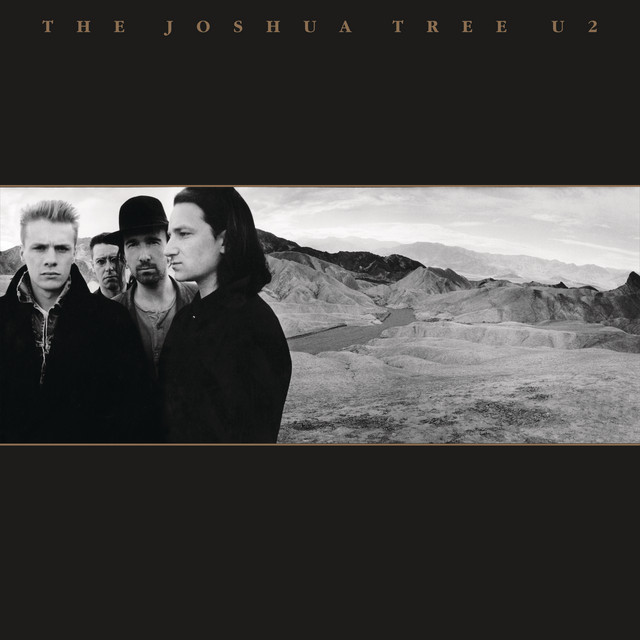
The placement matters too. “Where the Streets Have No Name” opens The Joshua Tree, and that placement is deliberate. It’s a statement of intent. The album is about America, about faith, about searching for something in the desert. But first you have to understand what you’re running from. So the record opens with a song about leaving — and the song opens with ninety seconds of waiting.
What you’re waiting through is the Edge building the place the lyrics are about. He ran his guitar through delay pedals until the notes started stacking on themselves, building cathedrals out of echoes. No guitar had made that sound before. It creates space — vast, open, American space, the kind of landscape that makes you feel small and free at the same time. The streets with no names aren’t described anywhere in the words. They’re in the delay.
Then the rhythm section enters like a heartbeat getting stronger. Adam Clayton’s bass and Larry Mullen Jr.’s drums lock into a pulse that feels inevitable — like walking toward something you can’t quite see but know is there.
And then, finally, Bono. He sings about wanting to run, wanting to hide, wanting to reach out and touch the flame. It’s not complicated poetry. It’s not supposed to be. It’s a man saying the plain version of a feeling most people carry and can’t put into words — the need to be somewhere else, someone else, free of whatever’s holding you back. After a minute and a half of buildup, plain words are exactly what fits. Anything fancier would collapse.
I’ll say what the song does to me, because pretending otherwise would be dishonest. When the chorus arrives, I stop listening and start running toward something. The walls come down. That’s not analysis; that’s just what happens, every time, and the band engineered it. The explosion only works because of everything that was withheld before it. Cut the intro and the chorus is just loud. Keep the intro and the chorus is a door opening.
That’s what U2 did better than anyone in the eighties. They made you feel like everything was possible, even when nothing was. A man comes home from a famine wanting to tear down every wall that separates people, and the band’s answer is to make you wait ninety seconds, then let you through.
Eno and Lanois wanted to cut the waiting. The Edge kept it.
He was right.