Wooden Ships
Three men sat on a boat and imagined the world after nuclear war. The harmonies are the part that survives.
Three men sat on a boat and wrote a song about the end of the world. David Crosby, Stephen Stills, and Paul Kantner of Jefferson Airplane, picturing what comes after nuclear war. Not the blast. Not the politics that got everyone there. The quiet afterward.
What they imagined was two people from opposite sides meeting on a beach, understanding that none of it matters anymore.
If you smile at me, I will understand / Because that is something everybody everywhere does in the same language.
That is the whole moral argument of the song, and it’s small on purpose. Not a treaty. A smile. The one thing two strangers can offer each other with nothing else left.
The wooden ships aren’t only boats. They’re the way out of a civilization that failed. The survivors aren’t sailing toward anything in particular. They’re just leaving. Starting over. Hoping they can do it better than it was done the first time.
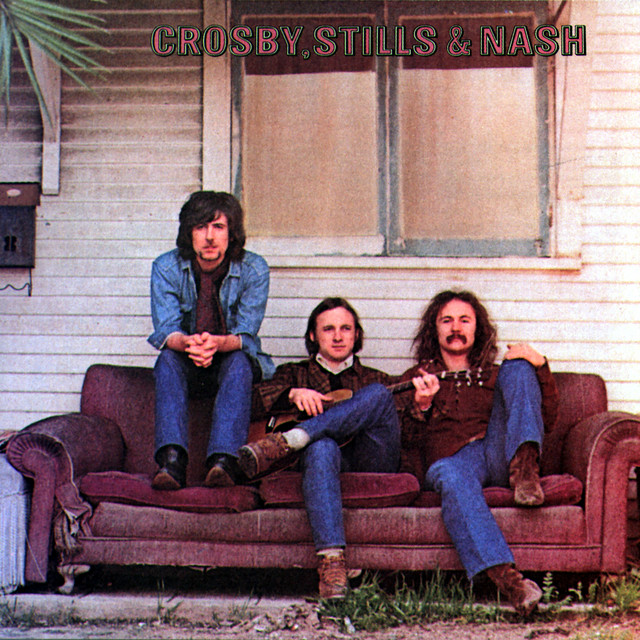
Jefferson Airplane cut their own version. The Crosby, Stills & Nash take is the one that holds, and the reason is the harmonies — three voices folding into each other until they stop sounding like three. If you are going to rebuild the world, that is the sound the new world should make. A song about people becoming a community, sung by men who had become one.
The arrangement takes its time. More than five minutes, and most of it is mood rather than story. The guitars shimmer. The bass stays out of the way. The whole thing drifts like it has already left the dock.
The song is naive. It says so itself — the idea that you can leave the broken thing behind and try again is probably impossible, and the men who wrote it would not have argued the point.
But somebody has to imagine it. They imagined the end of everything and made it sound like hope, and the harmonies are the part that survives.