Mother
This is why live versions matter.
The studio recording of “Mother” from 1979 is a good song. Roger Waters singing both parts—the frightened child and the overprotective mother—works well enough. It’s clever. It’s theatrical. It makes its point.
But when Sinéad O’Connor opened her mouth in Berlin in 1990, standing in the shadow of a wall that had just come down, she turned a good song into something that still haunts me thirty-five years later.
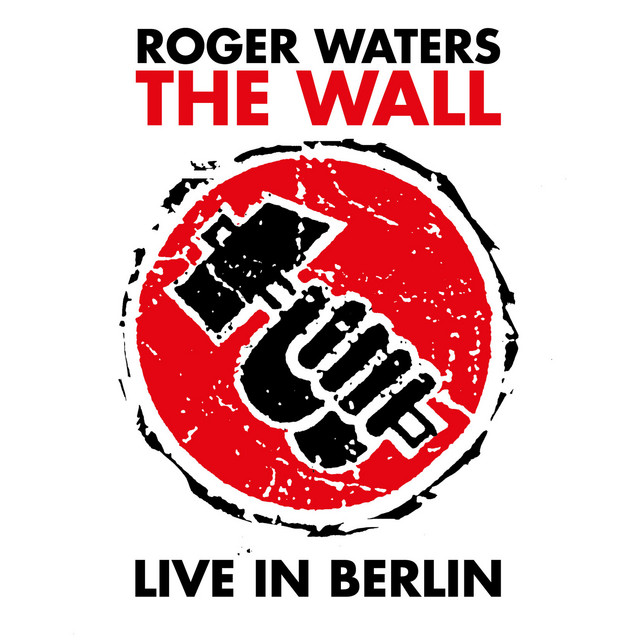
The Berlin Wall fell in November 1989. Less than a year later, Roger Waters organized a massive concert performance of The Wall at the site where it once stood. He assembled an all-star cast—Van Morrison, Joni Mitchell, Bryan Adams, Cyndi Lauper, The Band—but O’Connor is the one everyone remembers.
She was twenty-three years old. She’d already shaved her head, already refused to let the National Anthem play before her concerts, already made it clear she wasn’t interested in playing by anyone’s rules. And here she was, singing the part of a mother whose love is indistinguishable from control.
The casting is almost too perfect.
Because O’Connor understood something about walls. About being trapped by the people who claimed to love you. About institutions—family, church, country—that build walls around you and call it protection. She’d been raised in Ireland by the Catholic Church, survived abuse, escaped, and spent the rest of her life tearing down walls that most people pretended didn’t exist.
When she sings the mother’s lines, there’s no villainy in her voice. That’s what makes it unbearable. She sounds genuinely loving. Genuinely concerned. The comfort is real. And so is the cage being built around the child with every gentle reassurance.
Waters asks the questions: Will they try to break my heart? Will they tear your little boy apart? And O’Connor answers with promises that sound like lullabies and feel like prison sentences. Of course not, baby. Mother’s here. Mother won’t let anything happen to you.
The studio version lets you observe this dynamic from a safe distance. The Berlin version puts you inside it. You feel the warmth. You feel the trap closing. You understand, in a way the original never quite achieved, that the most dangerous walls are the ones built with love.
And then there’s the location. A song about walls, performed where the most famous wall of the twentieth century had just been torn down. The crowd included people who’d spent their entire lives behind that wall, now watching a story about the invisible ones. The ones that don’t fall when governments change. The ones we carry inside ourselves.
Some songs are better in the studio. Some songs need the room to breathe, the imperfections, the specific moment in time. “Mother” in Berlin isn’t just a performance—it’s a convergence. The right voice, the right place, the right crack in history.
This is the version. There is no other version.