Stranglehold
Eight minutes and twenty-three seconds, and no one sings for half of it. The guitar gets there first.
“Stranglehold” runs eight minutes and twenty-three seconds, and no one sings for the first half of it. That is the fact to hold onto. The vocals don’t arrive until well past the midpoint, and by the time they do, you’ve stopped waiting for them.
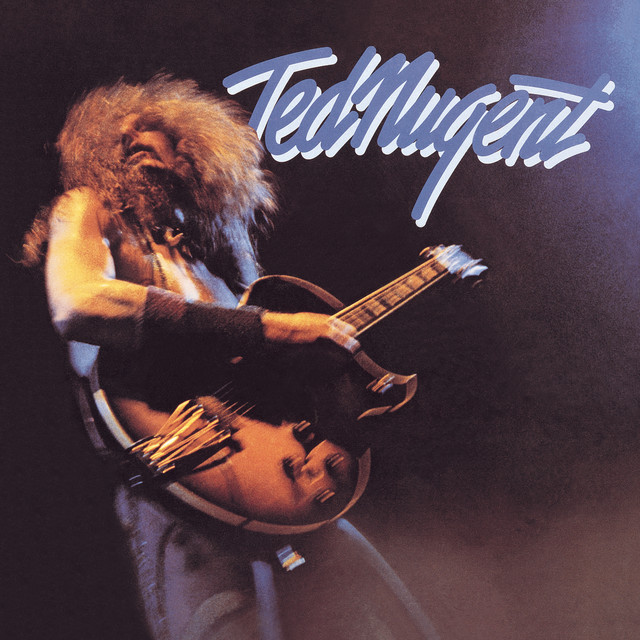
Ted Nugent is a complicated figure, and that’s the polite version. I separate art from artist when I have to, and this is one of those times. “Stranglehold” exists apart from the man who made it, and it’s one of the greatest guitar performances ever recorded.
The opening riff is four notes, descending, and it just keeps coming back. Nugent varies it enough that it never goes dull, layers guitars over each other until there’s a wall of sound, and somehow it stays musical instead of turning to noise. The rhythm section locks in and does not move. That’s the whole foundation. Everything the lead does, it does over a floor that refuses to shift.
The song builds and releases and builds again. It plays like a jam caught at the exact moment everyone in the room forgot the tape was rolling. There’s no hurry in it. Nothing is reaching for a chorus.
“Here I come again now, baby.”
When the vocals finally show up, they’re almost beside the point. The words aren’t the song. The song is the feeling underneath them — being caught in something you can’t get out of, circling the same obsession until it’s the only thing in the room.
You can hear where this went. The extended guitar showcase, the patient build, the refusal to hurry — that template runs straight forward into Metallica, into Soundgarden, into a long line of hard rock that came after. The blueprint is right here in 1975.
Some songs are tight. This one sprawls. Some songs make their point and leave. This one comes in, takes the floor, and stays past the halfway mark before it says a single word.