Atlantic City
Springsteen cut the demo alone on a bedroom four-track. The band tried to flesh it out and lost it. The cassette is the album.
He’s going to do a job — he doesn’t say what — and then he and his girl are getting out. A man whose luck has run out, making a deal with the mob. New life. Fresh start. The American dream, bought with blood money.
That’s “Atlantic City,” the centerpiece of Nebraska, an album Bruce Springsteen made alone in his bedroom on a four-track cassette recorder. The demos were supposed to be rough sketches for the E Street Band to flesh out later. Then the band tried to recreate them and something got lost. The poverty of the sound was the sound. So Springsteen released the cassette recordings as the album, hiss and all.
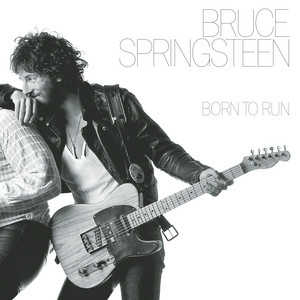
His voice here is not the arena roar of “Born to Run.” It’s quieter, more scared, alone in the room with the one acoustic guitar and the constant tape hiss. It sounds like a confession recorded in a motel before the cops arrive.
Put your makeup on, fix your hair up pretty / And meet me tonight in Atlantic City.
The song is about desperation, about the point where hope and crime become the same thing. The narrator knows he’s probably doomed and makes the plan regardless, because standing still is worse than going down swinging. The city’s dying, the man’s dying, everything’s dying, baby, that’s a fact — and maybe everything that dies someday comes back. He doesn’t know. Nebraska was a commercial risk, and this is its hardest stretch: three minutes and fifty-seven seconds of American despair carried by just enough hope to break your heart.