Owner of a Lonely Heart
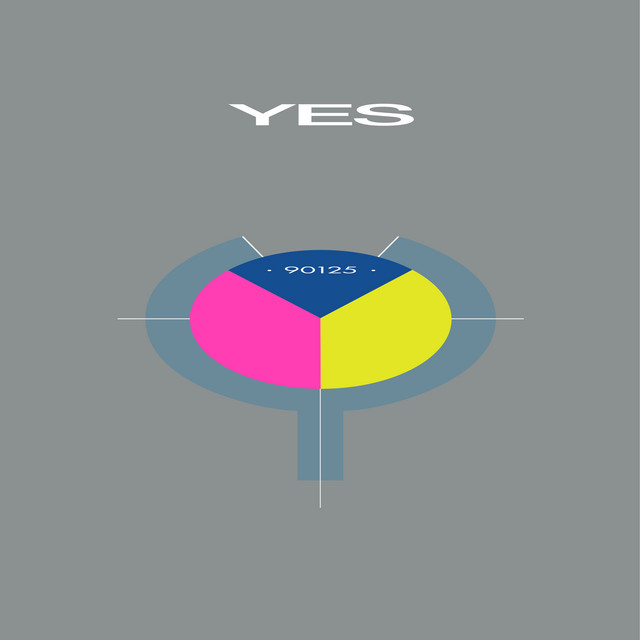
Yes spent a decade on twenty-minute epics, then made a three-minute pop song and went to number one.
Yes spent more than a decade building twenty-minute prog epics, and in 1983 they made a three-and-a-half-minute pop song. It went to number one.
That is the whole story the purists couldn’t forgive. The band that wrote songs about wizards and cosmic consciousness, that built its name on time-signature changes and classical guitar interludes, walked into 1983 and made something with synth stabs and a dance beat and a hook sharp enough to draw blood. No more epics. Three and a half minutes. To the people who’d followed Yes for the difficulty, it read as a betrayal, and the fact that it charted at number one only made the betrayal complete.
Move yourself. You always live your life never thinking of the future.
Here is what those fans missed. It is still a Yes song. Trevor Rabin’s production is dense with detail — sounds appearing and disappearing in the mix, the dynamics shifting under your feet, the arrangement handing you a new layer on every listen. These were people who could not make a simple thing simple. They made pop music and they made it complicated anyway, because that was the only way they knew how to make anything.
So the guitar riff sounds almost like hard rock. The beat sounds almost like the radio. And underneath it, the same band that wrote Close to the Edge is still in there, unable to leave well enough alone.
Then there’s the chorus, which is a paradox dressed as a comfort. Owner of a lonely heart is better than owner of a broken heart. Is that true? Or is it the thing lonely people say to make the loneliness sit still? The song doesn’t decide. It just keeps asking, over a beat built to fill a dance floor, which is its own kind of joke.
I hated this song when I was young, back when I thought prog rock was supposed to be difficult. What I missed was the discipline it takes to stop. The best musicians know when to get out of their own way, and Yes could have made another Close to the Edge. They made something millions of people could sing instead.
These days I mostly notice that the question never gets answered. The song just asks it again, every time the hook comes around, and leaves you out on the dance floor with it.