Where the Streets Have No Name
The intro takes ninety seconds. Ninety seconds of ambient shimmer and slowly building guitar before the song even starts. Brian Eno and Daniel Lanois wanted to scrap it. The Edge refused. He was right.
You need those ninety seconds. You need the anticipation. You need to feel the sunrise before you see it.
You can’t help but escape the unsaid correlations to heaven. The way the synths swell like light breaking through clouds. The way Bono reaches for something just out of grasp. This isn’t a song about a place on a map—it’s about the place we all hope exists, somewhere beyond the walls we’ve built.
Bono wrote this after visiting Ethiopia during the famine. He saw a place where your address didn’t determine your class, your worth, your future—because there were no addresses. No street names. Just people. The song became about imagining that place, wanting to go there, wanting to burn down everything that divides us.
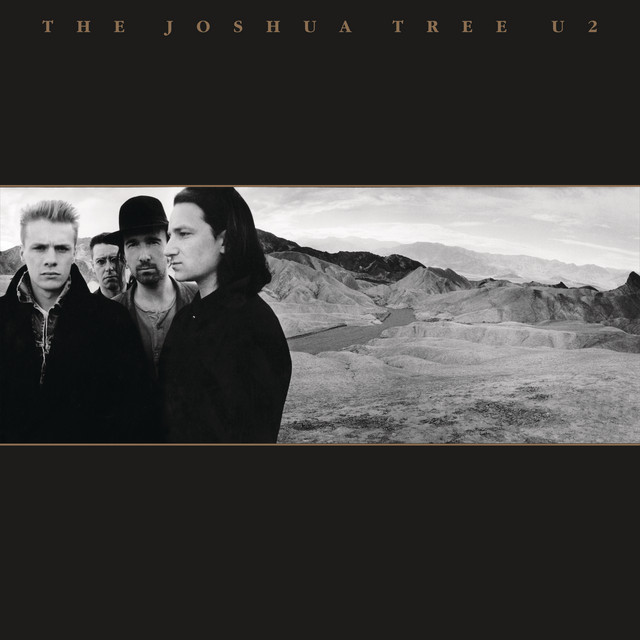
“Where the Streets Have No Name” opens The Joshua Tree, and that placement is deliberate. It’s a statement of intent. This album is about America, about faith, about searching for something in the desert. But first, you have to understand what you’re running from.
The Edge’s guitar does something no guitar had done before—it creates space. Vast, open, American space. The kind of landscape that makes you feel small and free at the same time. He found that sound by running his guitar through delay pedals until the notes started stacking on themselves, building cathedrals out of echoes.
The rhythm section enters like a heartbeat getting stronger. Adam Clayton’s bass and Larry Mullen Jr.’s drums lock into a pulse that feels inevitable, like walking toward something you can’t quite see but know is there.
And then Bono starts singing about wanting to run, wanting to hide, wanting to reach out and touch the flame. It’s not complicated poetry. It’s not supposed to be. It’s a man articulating a feeling that most people can’t put into words—that desperate need to be somewhere else, someone else, free of whatever’s holding you back.
The song explodes into that chorus, and suddenly you’re not listening anymore. You’re running toward something. You’re tearing down walls. You’re on fire.
That’s what U2 did better than anyone in the eighties. They made you feel like everything was possible, even when nothing was.