Take the Long Way Home
The harmonica sounds so cheerful. That’s the trick. Supertramp wrapped existential dread in the kind of arrangement that gets stuck in your head on a Tuesday afternoon, and by the time you notice what the song is actually saying, you’ve already sung along to it three times.
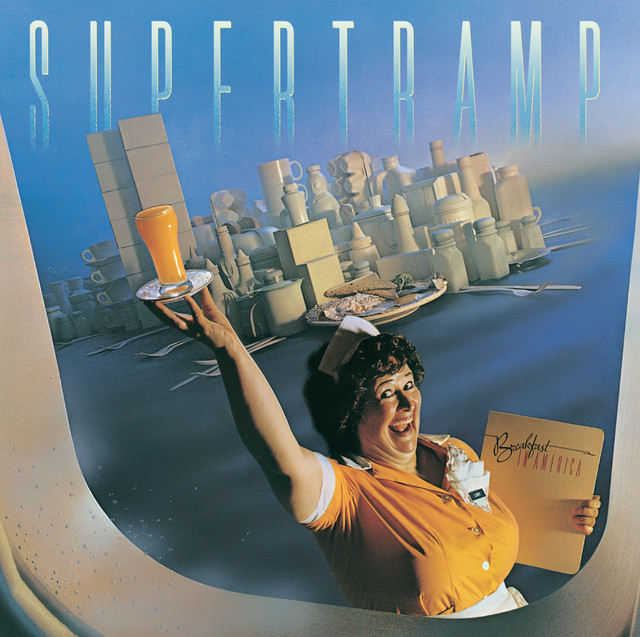
Breakfast in America sold sixteen million copies. People bought it for “The Logical Song” and “Goodbye Stranger” and all those other songs that felt good even when they weren’t. “Take the Long Way Home” fit right in—upbeat, catchy, something for the car stereo. But if you listened to the words, really listened, you heard something darker underneath.
The narrator is a success by every external measure. He’s got the wife, the house, the comfortable life. And he feels absolutely nothing. He’s a clown to his wife. He’d rather sit in a bar than go home. The long way home isn’t scenic—it’s avoidant. He’s buying time before returning to a life that should make him happy and doesn’t.
Roger Hodgson understood something about late-seventies prosperity. The generation that grew up promised that success would equal fulfillment was discovering that it didn’t. They had everything the advertisements told them to want, and they still felt empty. Taking the long way home was the only protest available when you couldn’t admit you’d achieved your dreams and found them hollow.
The production is impeccable. Every instrument precisely placed, the harmonies stacked just right, the harmonica adding that wistful edge. It sounds like a million bucks, which is exactly the point. Even the song itself is successful and somehow not enough.
Some songs make you feel good. This one makes you feel caught.