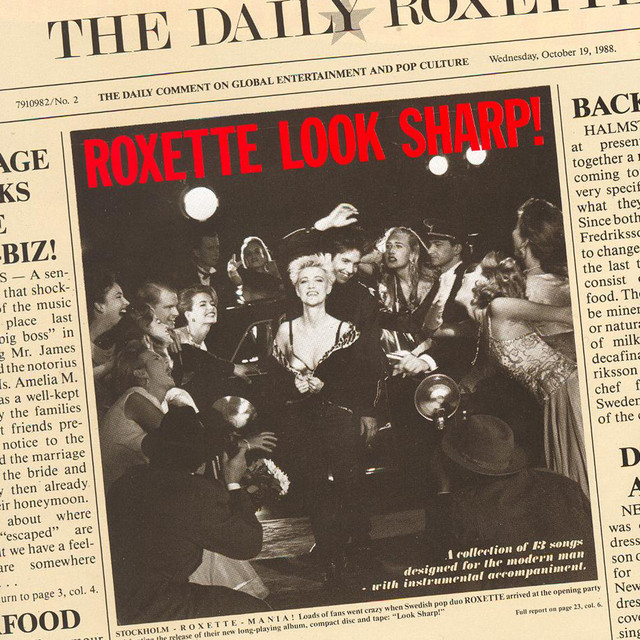
Listen to Your Heart
“Listen to your heart when he’s calling for you.”
That’s not advice. That’s a command. Marie Fredriksson didn’t suggest anything—she told you what to do with the absolute certainty of someone who’d learned the hard way that the brain lies but the chest never does.
- Per Gessle writes songs in his sleep. Marie Fredriksson sings them like her life depends on it. Together they became Roxette, and “Listen to Your Heart” became the power ballad template for the next decade.
The piano intro is a warning. Something big is coming. Then the drums kick in, and Marie’s voice cuts through everything like a blade made of heartbreak. She doesn’t oversing—she over-feels. Every note carries the weight of decisions made in bedrooms and parking lots and the dead air between “I love you” and “but.”
“There’s nothing else you can do.”
That’s the brutal truth buried in the chorus. When your heart speaks, you don’t get a vote. You can argue, negotiate, rationalize all you want. The heart doesn’t care. The heart already decided. You’re just catching up.
The production is pure late-eighties maximalism—synths stacked on guitars stacked on more synths—but it never drowns the song’s emotional core. Everything serves the feeling. Everything escalates toward that chorus where Marie hits notes that shouldn’t exist and makes them feel inevitable.
“When love was wilder than the wind.”
That line kills me. Past tense. She’s not singing about falling in love. She’s singing about having fallen. About looking back at something that burned so bright it scorched the memory permanent.
Roxette understood something: the best love songs aren’t about happiness. They’re about the knife-edge between staying and leaving, between listening and ignoring.
The heart knows. It always knows.
The question is whether you’re brave enough to hear it.