Is This Love
In 1978 people wanted revolution from Bob Marley. He gave them a question he couldn't answer.
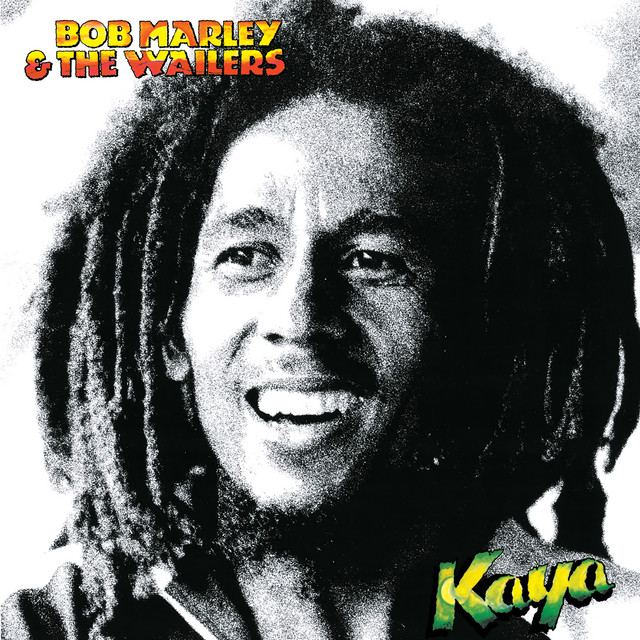
In 1978, Bob Marley released an album with almost no politics on it.
Kaya confused people. They expected revolution from him — this was the man who had faced down assassination attempts and kept singing — and instead they got love songs and weed references. What they also got, though it took some of them years to hear it, was some of the most honest music he ever made. This song is the most honest thing on it. A man asks whether what he’s feeling is love, and he asks it like he genuinely doesn’t know.
It’s worth saying plainly who is doing the asking. By 1978 Bob Marley was the revolutionary, the prophet, a man people looked to for answers about justice and God and how to live. He had stood in front of guns and kept singing. And the question he brings to this song comes from none of that. No manifestos. No Jah Rastafari. Just a man looking at someone and trying to figure out what’s happening in his chest.
He didn’t have love figured out any better than the rest of us. That’s not a flaw in the song. That’s the song.
Listen to what’s underneath him while he asks.
The bass line is a few notes that cycle and recycle like a heartbeat. The rhythm guitar chops the upbeat the way reggae guitar does. The I-Threes harmonize behind him. None of it is complicated. None of it needs to be. The arrangement stays out of the way because the question is carrying everything, and the question doesn’t need help.
“I want to know, want to know, want to know now.” He says it three times because once wasn’t true enough. There’s an urgency in it that the easy sway of the rhythm almost hides — a man who has decided he can’t wait any longer to find out what this is.
Then comes the part of the song that isn’t a question at all.
“I wanna love you and treat you right. I wanna love you every day and every night.” That’s not poetry. That’s a promise. It’s the kind of promise you make when you’ve decided to stop running — and the kind that scares you precisely because you mean it. The revolutionary stuff, the prophet stuff, none of that costs a man what this line costs. Anyone can declare. This is a man committing, in public, before he even knows the name of the thing he’s committing to.
And then he goes back to asking. Is this love. Is this love. Over and over, the way a person repeats a question when they need someone — anyone — to confirm that it’s all right to feel this much.
The song never answers him.
It just keeps asking, all the way to the end, and I’ve come to think the asking is the answer. Love isn’t something you settle once and file away. You keep showing up. You keep asking. You keep hoping the answer is yes. The people who came to Kaya looking for resistance found a man with no answers at all, only a question he refused to put down — and there may be more nerve in that than in any manifesto he ever sang.
Some songs tell you what love is. This one admits we’re all still figuring it out.
He faced down guns without flinching. This question he couldn’t answer. He asked it anyway, out loud, three minutes and fifty-two seconds at a time, and that’s the bravest thing on the record.