Civil War
Seven minutes of earned anger. A band that wrote party songs decided to write one that meant something.
The song opens with a line from Cool Hand Luke: “What we’ve got here is failure to communicate.”
That is the first thing you hear, before the band, before Axl Rose. A borrowed voice from a prison movie, dropped on top of seven minutes of rock. It tells you what kind of song this is going to be, and the song spends the next seven minutes earning it.
This isn’t “Welcome to the Jungle.” It isn’t “Paradise City.” Those songs are about appetite. This one is Guns N’ Roses doing the thing hair metal bands weren’t supposed to be able to do, which is mean something. They tried it on “Civil War” and they pulled it off.
The anger here is not the lashing-out kind. It’s specific. War. Religion. Patriotism turned into a weapon. The lies people tell themselves to make the unjustifiable sound reasonable. Rose names his targets and holds them there. He was never going to be Bob Dylan and on this song he didn’t have to be. His voice cracks, and the crack is the point — you can hear the outrage cost him something. The band plays disciplined where the song needs control and explosive where it doesn’t.
“What’s so civil about war anyway?”
It’s almost too clever, the kind of line a high school poet writes and underlines twice. But Rose sings it with enough contempt that it lands as an accusation instead of a clever turn. The question isn’t rhetorical. We sanitize violence with euphemisms. We call slaughter conflict. We call dead children collateral damage. The song refuses to do that.
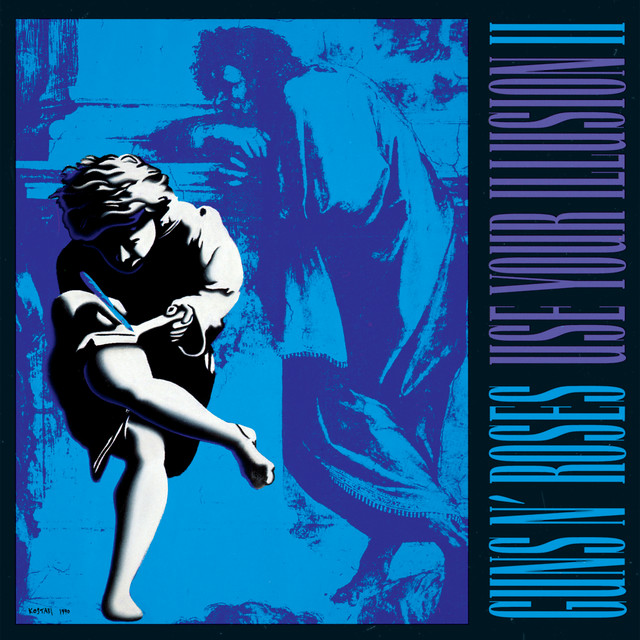
The Use Your Illusion albums were bloated and messy and reaching for more than stadium rock could hold. “Civil War” is the place where the reach connects. Seven minutes that prove the band was paying attention to the world burning down around them.
Some protest songs date. This one keeps getting more relevant, which is the worst thing you can say about a protest song and the truest thing you can say about this one. Failure to communicate. The movie said it first. Decades on, the line is still waiting for an answer.