Speed of Sound
When it came out, the verdict was instant: Clocks Part 2. The piano keeps climbing anyway.
When “Speed of Sound” was released, the verdict came back fast and loud: Coldplay had written “Clocks Part 2.”
The same arpeggiated piano pattern. The same building dynamics. The same sense of yearning. Critics took it as proof the band had exactly one idea and was running it into the ground.
They heard the piano right and read it wrong. “Speed of Sound” isn’t a retread. It’s a response. “Clocks” was about confusion — lights going out, not knowing where you’re going. This one is about the search for answers. The climbing and the falling. The attempt to figure out how far you’ve come and how far you have left to go.
All those signs, I knew what they meant.
Chris Martin writes in images, not arguments. He trusts the feeling to carry even when the meaning doesn’t, and sometimes that’s maddening. Here it isn’t. You don’t need to know exactly what he’s describing. You need to recognize the sensation of trying to understand your own life, and the song hands you that whole.
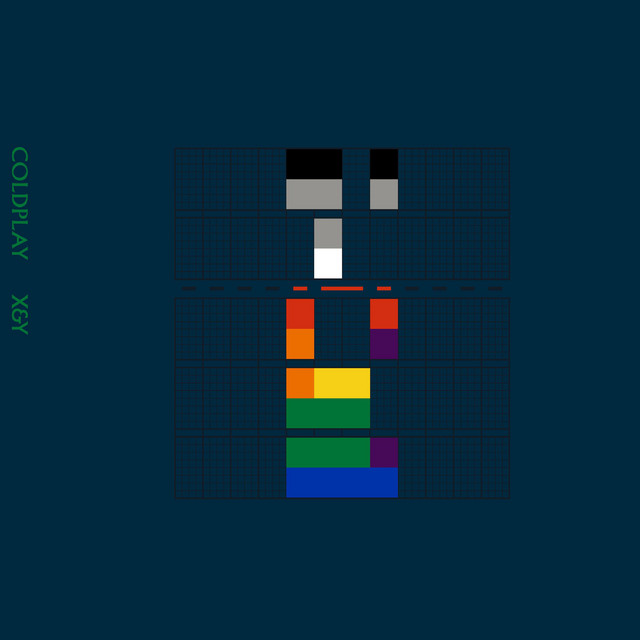
X&Y is the album that turned Coldplay from a popular band into a global phenomenon. It’s also the album where you can hear them wrestling with what that meant — the pressure of expectations, the fear of repetition, the need to prove the first time wasn’t a fluke. That fear is the thing the critics caught and mislabeled. They called it bankruptcy. It was a band trying to figure out how far it had come.
So the piano sounds like “Clocks.” It was never an accident, and it was never bankruptcy. The song the critics wrote off as a retread sits on the album that turned Coldplay from a popular band into a global phenomenon.