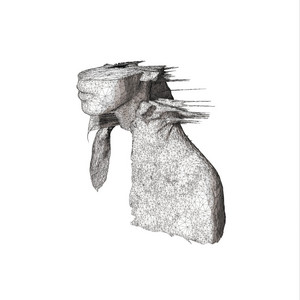
Fix You
Chris Martin wrote it for Gwyneth Paltrow after her father died. The promise in it is not to fix anyone. The promise is to try.
The promise people remember from this song is not the promise in it. What’s remembered: “I will fix you.” What Chris Martin actually wrote — for Gwyneth Paltrow, after her father died — hangs on one extra word, and that word is the whole song. He was standing a few feet from someone else’s grief — close enough to hold on, not close enough to do anything about it — and the word he added is the sound of a man knowing that.
It opens with Martin whispering over a church organ. What he whispers is a list. The ways life goes wrong: trying your best and failing. Getting what you want but not what you need. Lying awake at 3 AM wondering where it all went sideways.
None of those lines is dramatic. That is what makes them work. He isn’t describing a tragedy. He’s describing a Tuesday. Grief mostly isn’t the funeral; it’s the inventory you take in the dark afterward, and the song starts there, quietly, and stays there for minutes — just the voice and the organ, holding still.
Then the guitars come in.
If you’ve heard the song once, you know what happens. The build is slow. The guitars layer and climb, and keep climbing, until the whole thing breaks open. It was released in 2005, on X&Y, and people have been coming apart to that build ever since — at weddings, at funerals, on random Tuesday afternoons when it catches them unguarded.
Here is the thing worth being precise about, because the song itself is precise about it.
The promise is “I will try to fix you.”
Not “I will fix you.” He didn’t write that line, and he couldn’t have sung it honestly if he had. He was watching a woman lose her father. There is no fixing that. Anyone who has stood next to a person in that kind of loss knows the helplessness of it — you would give anything to take it off them, and you can’t, and you both know you can’t.
So the song doesn’t promise the impossible thing. It promises the only thing actually on offer: the trying. The staying. One word in that line carries all of it, and the word is try.
I think that’s why the song wrecks people in rooms where nobody expects to be wrecked. It isn’t selling comfort. It’s making the one promise a person can actually keep to someone who is grieving, which is also the only promise the grieving person can stand to hear.
And the structure tells the same truth the lyric does.
All that held breath — voice and organ, the long confession — builds tension that has to go somewhere. When the guitars finally crash in and the band hits that climbing progression, it feels like the answer. It isn’t. Nothing in the song resolves. Nobody is fixed by the last bar. The father is still gone.
What the build delivers is catharsis, and catharsis is a different thing from resolution. Resolution means the problem ended. Catharsis means you finally got to feel the whole weight of it at once, out loud, with the volume up, and you came out the other side still standing.
That is what the song does and all it does. It doesn’t solve anything. It sits with you in the dark until the lights come back on.
He couldn’t fix her. He could try. Four minutes and fifty-five seconds of trying, and it turns out that was the part worth writing down.