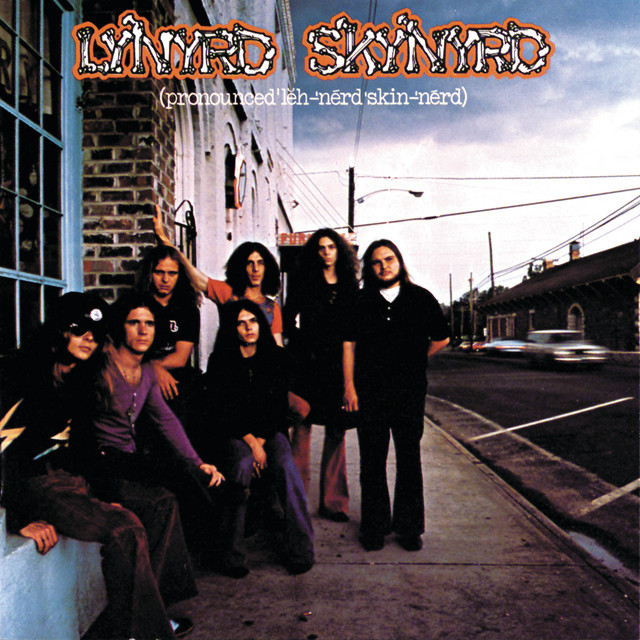
Free Bird
Everyone knows the guitar solo. It’s been shouted at concerts for fifty years. It’s been used in movies to signal freedom, rebellion, America itself. It’s the song you play when you’re driving too fast with the windows down. But before those guitars explode, there’s a man at a piano, apologizing for what he’s about to do.
“If I leave here tomorrow, would you still remember me?” That’s how it starts. Quietly. A man telling a woman he loves her but knows he can’t stay. The bird thing isn’t bravado—it’s confession. Some people are wired to leave. They don’t want to be. They just are.
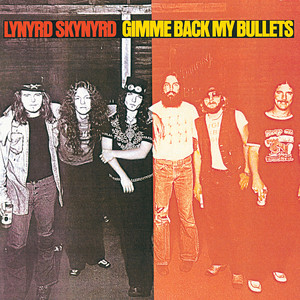
Ronnie Van Zant wrote those words. Allen Collins wrote the melody. And for almost five minutes, the song is a ballad—tender, regretful, the kind of thing you’d slow dance to. Then the tempo changes. Then the guitars start building. Then everything you thought you knew about the song detonates.
The extended outro is one of rock’s great arguments for excess. Collins and Gary Rossington trade solos, push each other higher, find new peaks every time you think they’ve peaked. In concert, it could go for fifteen minutes. People lost their minds every time. The “Free Bird” shout became ritual, prayer, joke—depending on who was yelling it.
When the plane crashed in 1977, Van Zant and Collins’ backup guitarist Steve Gaines died. Collins survived but was never the same. Years later, a car accident left him paralyzed; he died soon after. The song outlived its makers. It became the thing it described—a spirit that couldn’t be held down.
Some songs end when they’re over. This one keeps flying.