The Chain
The only song on Rumours credited to all five of them — built from three broken songs by two broken couples who finished the record anyway.
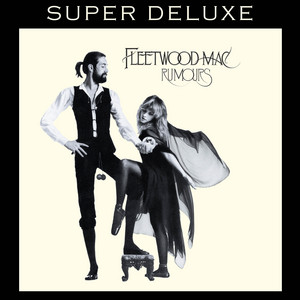
“The Chain” is the only song on Rumours credited to all five members of Fleetwood Mac.
That reads like a footnote until you know what was happening in the room. Two marriages were ending at once — Stevie and Lindsey, John and Christine — with Mick in the middle trying to keep the lights on, and cocaine everywhere. The song itself wasn’t even a song. It was three songs that weren’t working, stitched together in the studio by people who could barely stand to be near each other, while everyone was sleeping with everyone else’s ex and pretending they could still make music together. They couldn’t. They did anyway.
Listen to the first minute. It’s gentle. Stevie’s voice braids with Lindsey’s like nothing is wrong — like they hadn’t just destroyed each other, like love was still on the table. It wasn’t. They sang it that way anyway, and knowing what was true in that room makes the gentleness harder to hear, not easier.
Christine wrote that opening part. Or maybe Stevie did. By that point the credits were a legal fiction — everything belonged to everyone and no one, because that is what happens when you can’t stand to be in the same room but you’re contractually obligated to finish an album. Five names on the song because no one could honestly draw the lines anymore.
Then the drums come in. Mick Fleetwood plays them like something is approaching that can’t be stopped, and then the song says what the first minute was hiding:
“Damn your love, damn your lies.”
Lindsey wrote that line about Stevie. Or Stevie wrote it about Lindsey. Or both of them wrote it about each other. What is certain is that they had to stand at microphones and sing it together, and neither one blinked.
Then the bass line. John McVie. Four notes — the most famous four notes in rock, and here is the part worth sitting with: he played them while his marriage was ending. He played them standing ten feet from the woman who was leaving him. He played them because his career depended on it, and he played them well.
I don’t know how a person does that. I only know that he did, and that it’s on the record, and that you can hear it.
“Chain keep us together,” they sing, all of them at once, and it would be easy to hear that as a love song. It isn’t. The chain is not love. The chain is the contract. The chain is the accountant telling five people they will all be broke if they don’t finish the album. The chain is choosing to stay in the room with someone who broke your heart because the work is the only thing left that the two of you haven’t ruined.
That’s a bleaker reason to make music than anyone wants to admit. It’s also why the song works. Listen to the structure: it falls apart, builds back up, falls apart again. That’s not a production choice. That’s a record of what was happening to the people making it, pressed into the recording where it couldn’t be taken back.
Forty-seven years later they are still playing it, or what’s left of them is, and when all five names come up on the song you are looking at the one thing that survived the wreckage of 1977 — not the marriages, which ended, and not the entanglements, which ended too, but a song stitched together from three broken pieces by five people who could barely stand to be in the same room, who stood at the microphones and sang it anyway, and who are bound to it still, because every one of them paid for it.