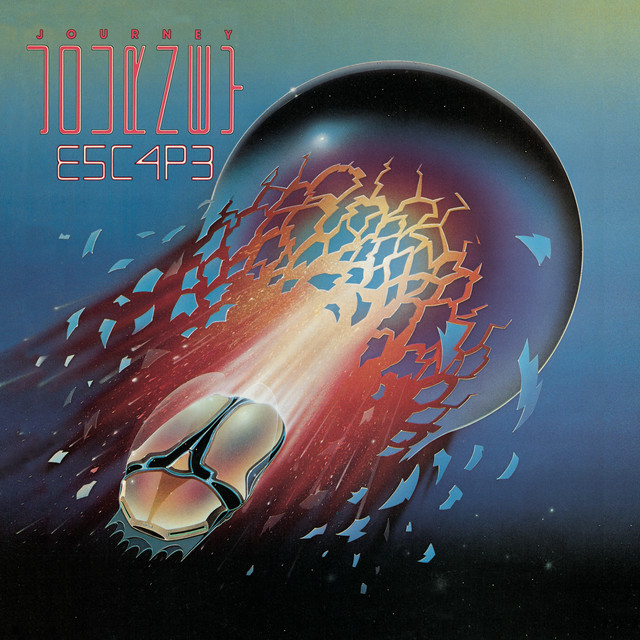
Don't Stop Believin'
The chorus of “Don’t Stop Believin’” does not arrive until three minutes and twenty seconds into the song.
That is nearly the whole running time. The most shouted-along chorus in American life — the one that closed out The Sopranos, the one attempted at karaoke every night by people who cannot hit Steve Perry’s notes — and Journey withheld it until the song was almost over. Jonathan Cain, Steve Perry, and Neal Schon built three minutes and twenty seconds of road before the payoff, and trusted you to stay in the car. I want to start with that fact, because everything true about this song is inside it.
I know what the song has become. It is in every movie where someone needs to feel hopeful. It has been sung badly at weddings and closing time and karaoke so many times it has worn down into furniture, the kind of song people claim to be tired of.
None of that changes what happens when the piano starts. It still works on me, every time. I stopped apologizing for that a long time ago.
Read the lyrics. Actually read them.
A small-town girl. A city boy. Smoky rooms. Strangers in the night. Nobody arrives anywhere. Nobody wins. The song never promises that anything will work out — not for her, not for him, not for the strangers. The people in it just keep going, on and on and on and on, and the song offers that as the entire resolution. There is no second act where the city boy makes it. The going is the whole story.
That’s not optimism. That’s stubbornness. That’s refusing to quit even when quitting makes sense.
“Don’t stop believin’” isn’t advice. It’s a dare.
Strangers waiting, up and down the boulevard. That’s the line that always catches. It isn’t a metaphor for anything. It’s just true — there is always someone out there at 2 AM, broke and scared, halfway through the dumbest decision of their life, everything they own in the back of a rented truck and no job waiting on the other end. The song doesn’t tell that person it’ll work out. It just rolls the window down beside them and sings along.
That’s the whole consolation it offers. Not a promise. Company.
Here is why the late chorus matters, and why I keep coming back to it.
A song about waiting makes you wait. Three minutes and twenty seconds of verses and build before the title line ever shows up — that is the small-town girl’s ride, the city boy’s smoky room, the long dark stretch where nothing has resolved and nothing has been promised. The structure of the song is the argument of the song. The payoff comes late because in life it comes late, when it comes at all, and you do not get to skip ahead to it. You sing the verses in the dark and you keep driving.
Most bands would have put that chorus at forty seconds and cashed it three more times before the fade. Journey held it back, and the holding back is the reason the moment lands the way it does — at the wedding, at closing time, in the last scene of The Sopranos, on an empty highway at 2 AM. By the time the chorus finally arrives, you have earned it. You have been waiting the whole song, the way the people in the song have been waiting their whole lives, and when it comes you don’t sing it so much as it comes out of you.
So play it at every wedding. Scream it at closing time. Belt it badly at karaoke. I’ll be right there with you, not hitting the notes, not caring, believing anyway.
The chorus comes at three minutes and twenty seconds. You have to stay in the song to hear it.