Woman in Chains
The story goes like this: Tears for Fears is on tour, stuck in Kansas City, and Roland Orzabal wanders into the hotel bar. There’s a woman at the piano, singing to a room that’s barely paying attention. He stops. He listens. He convinces her to fly to England and sing on their album.
That woman was Oleta Adams. And that decision created this.
“Woman in Chains” isn’t about any one woman, and it’s about every woman. The chains are metaphorical—societal, emotional, self-imposed. But when Oleta Adams starts singing, you stop analyzing the metaphor and just feel it. Her voice doesn’t interpret the song. It becomes the song.
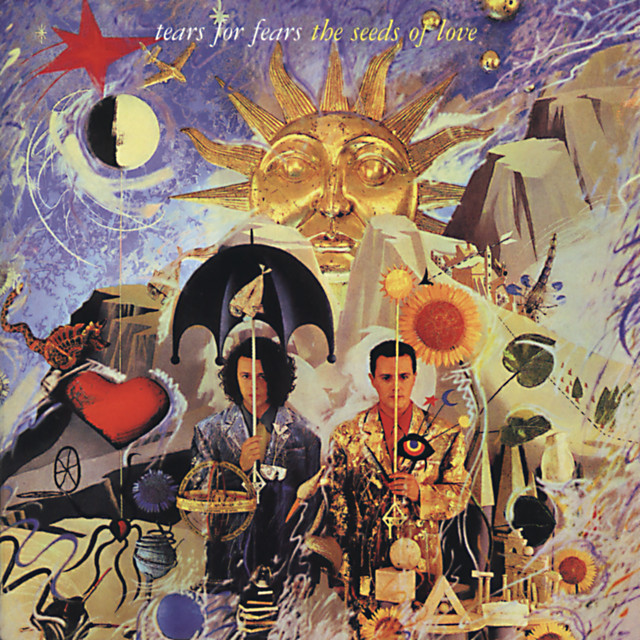
The track comes from The Seeds of Love, the 1989 album that nearly broke the band with its perfectionism and studio excess. Three years and a million dollars to make. And whatever else you want to say about that process, it produced this six-and-a-half-minute masterpiece that sounds like nothing else from its era.
Listen to how it builds. The piano and strings in the opening, lush and almost suffocating. Roland’s voice carrying the verses with that particular Tears for Fears melancholy—wounded but controlled. And then Oleta enters, and the whole thing opens up. Gospel in the middle of art-pop. Soul where you didn’t expect soul.
The duet format does something essential here. It’s a conversation—man and woman, oppressor and oppressed, the one who chains and the one who’s chained. Except it’s never that simple, is it? The lines blur. The roles shift. “So free her, so free her” becomes a plea that goes in both directions.
Phil Collins plays drums on this track. That’s not the important part, but it’s worth knowing. The important part is how Phil’s drums and Oleta’s voice and Roland’s songwriting all serve something bigger than any individual ego.
The climax, when Oleta lets loose over that choir—that’s the chains breaking. That’s six minutes of tension finally finding release.
Or maybe that’s just what we want to hear. Maybe the chains are still there. Maybe the song is honest enough to admit that recognizing bondage isn’t the same as escaping it.
Either way, it’s devastating.