Mary Jane's Last Dance
It belonged to no album. Tacked onto a greatest hits collection as an afterthought — and it's the song that outlasted all of them.
This song belonged to no album.
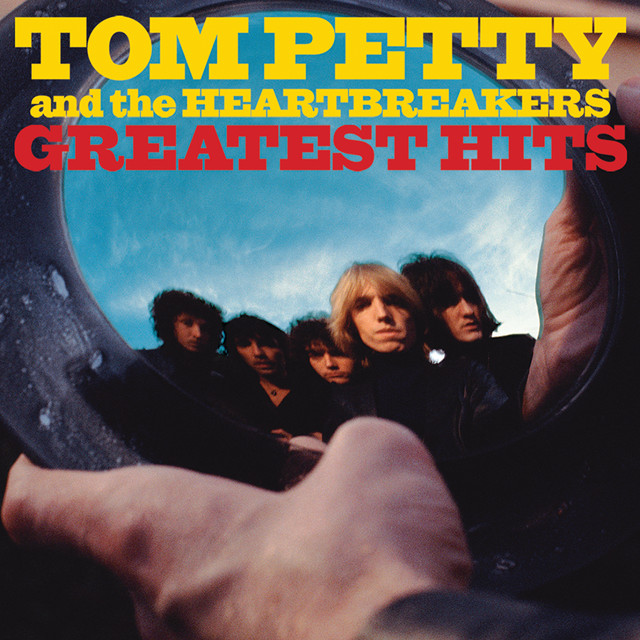
It came out in 1993, tacked onto a greatest hits collection the way songs sometimes get tacked onto greatest hits collections — as an afterthought, as a bonus, as a way to give fans who already had everything one reason to buy it again. It didn’t fit into a campaign or a moment. It just existed.
That’s probably why it sounds the way it does: like something made outside of time rather than inside of an industry. It arrives in the first four seconds. Mike Campbell plays the descending riff, low and unhurried, like a door opening onto a room that’s been empty for a while, and something shifts. You don’t know yet whether this is a love song or a ghost story. It is both. The distance between the two is where Tom Petty lived.
Rick Rubin produced it, and if you know what Rubin does in a room, you know what that means: less, not more. Space. Breath. A band that isn’t trying to fill every corner. Campbell’s guitar sits in the center of the song. Howie Epstein’s bass walks the changes without announcing itself. Stan Lynch plays the drums like a man who knows exactly when not to play. The Heartbreakers were one of the tightest bands of their generation, and this is the argument for it — not because it’s loud, but because every person in the room knew what the song needed and gave it only that.
Petty said the song was about Indiana. About leaving a place and knowing you’re never going back. About a particular American cold — not weather, but the cold of a life that got too small for you, and the ache you carry when you finally get out.
“Last dance with Mary Jane, one more time to kill the pain.”
That line lands differently depending on how old you are when you hear it. At seventeen it sounds like a party. At thirty-seven it sounds like a last resort. At fifty-seven it sounds like a man sitting in a car in a driveway at midnight, not ready to go inside.
The video was the story. Kim Basinger in a wedding dress, Petty slow-dancing with a woman who is obviously, quietly dead. It was too strange for a band that had spent a decade making radio-friendly rock and roll. But Petty did that — he put the real meaning of a song somewhere the radio couldn’t reach, in a gesture or an image most people sang along to without noticing what it said. She’s on a table. There’s a rose. He’s dancing alone with someone who will never dance back.
He grew up in Gainesville, Florida, in a house that didn’t give him much, and spent forty years writing about the people who grow up in houses like that — people with enough restlessness to leave and enough loyalty to grieve the leaving. He wrote about running and about what you’re running from. He could write a song that sounded like freedom and felt like longing, and he did it so plainly you sometimes had to sit with it before you knew which one you were hearing.
He died in October 2017, at sixty-six. A week after wrapping a fortieth anniversary tour. He played the Hollywood Bowl four nights before the end. The people in the room didn’t know they were watching the last shows. He might not have known either.
The packaging is gone. The MTV rotation is gone. The bar cover bands play it too fast and miss the thing that makes it work, which is the space — the space Campbell leaves in the riff, the space Petty leaves in the delivery, the space the whole song makes around the feeling of standing somewhere and knowing you won’t be coming back.
“I’ll never look back, I’ll never look back.”
He says it twice. That’s the songwriter’s way of telling you he didn’t believe it either. An afterthought, a bonus track, the song nobody planned — and it’s the one still standing.