Working Man
Geddy Lee was nineteen years old. The song is seven minutes of a man's whole working life, and a teenager sang it like he already knew.
Geddy Lee was nineteen years old.
The song is seven minutes of a man’s whole working life — get up, go to work, come home, go to sleep, get up again. There is no escape in it and no dream of one. A teenager sang it, and somehow he sang it like a man who had already lived every day of that schedule.
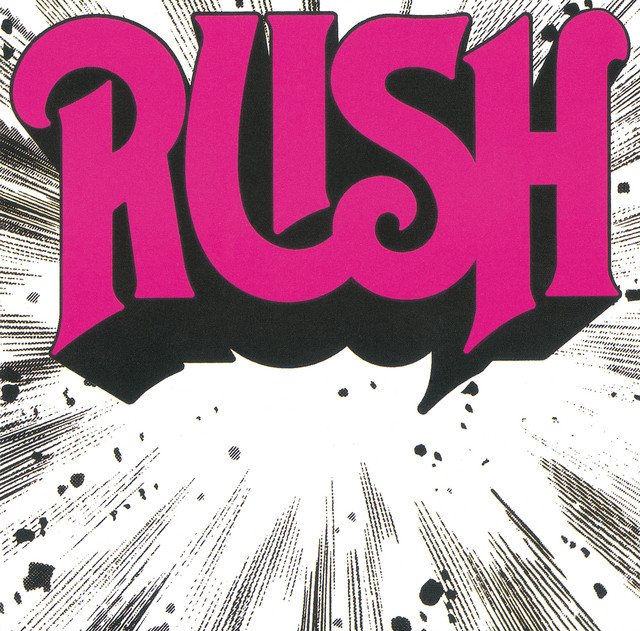
Rush cut this record in 1973 at Eastern Sound in Toronto. There was essentially no budget. They had a borrowed van and a regional following that mostly wanted to hear Led Zeppelin covers. Alex Lifeson was twenty. John Rutsey was behind the kit — not Neil Peart, who hadn’t happened yet. Terry Brown was producing, the start of a partnership that would run across the next decade of the band’s records. None of that future existed yet. They were three kids from Willowdale trying to figure out what they were.
What they made was a riff that lands like a punch clock and a lyric with no poetry in it at all.
“I get up at seven, yeah, and I go to work at nine.”
No metaphor. Just the schedule. The narrator doesn’t ask for anything better and doesn’t imagine anything better. He reports conditions. I think that refusal to dress the grind up as anything other than what it is carries more weight than imagery could. The song doesn’t tell you how hard the life is. It tells you what time the life starts.
They had been playing the song live before they ever recorded it — bars, hockey arenas, anywhere that would book them — and you can hear the road in the performance. This isn’t a studio construction. It got built in front of audiences with beer in their hands and nowhere to be at midnight, and what landed on the record sounds close to what those rooms heard.
Lifeson’s tone is raw in a way the band would smooth out later, when the budgets grew and the concept albums arrived. Here it’s a twenty-year-old through a Marshall stack. The long solo sections near the end don’t resolve. They sprawl, because the song needs the room — seven minutes for a day that repeats forever.
Rutsey plays like he understood the lyric personally, and he probably did. The band was broke, playing for gas money. Nobody in the music industry had expressed any interest. The working man in the song could have been any of the three of them, and they all knew it.
The record went nowhere in Canada. Moon Records was their own label — a few thousand copies, distributed out of the back of a car. Then a DJ in Cleveland named Donna Halper, at WMMS, started spinning “Working Man” because it sounded like what her audience wanted to hear. She was right. The phones lit up. The label calls started. Mercury Records came.
Everything that happened afterward — the progressive turn, the concept albums, the decades of touring — traces back through that Cleveland radio station to this one song about a guy who goes to work at nine.
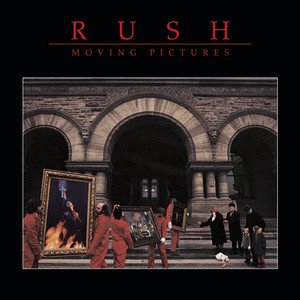
Rutsey left before the second album, his health forcing him out. Peart came in and changed the whole architecture of the band. What Rush became — the science fiction, the twenty-minute suites, 2112 and Hemispheres and Moving Pictures — bears almost no resemblance to this record. That’s its own story.
But this is the foundation, and it’s worth saying plainly what the foundation is. Before any of the ambition, three broke kids wrote a song about the weight of ordinary life — the alarm clock, the time clock, the weekend that ends before it started — and played it for people who were living it. The audience recognized themselves. That recognition is what carried the band out of the bars.
The working man never gets a resolution. The song ends and he’s still on the clock — tomorrow is the same schedule, and the song knows it. The band holds the final note a long time before they let him go.
Geddy Lee was nineteen when he sang it, and everything that followed — Cleveland, Mercury, the concept albums, the decades of touring — started with three broke kids from Willowdale looking straight at the alarm clock and the time clock and the weekend that ends before it started, telling the truth about that life at full volume, and playing it for rooms full of people who recognized their own days coming back at them through a Marshall stack and carried the band out of the bars for it.