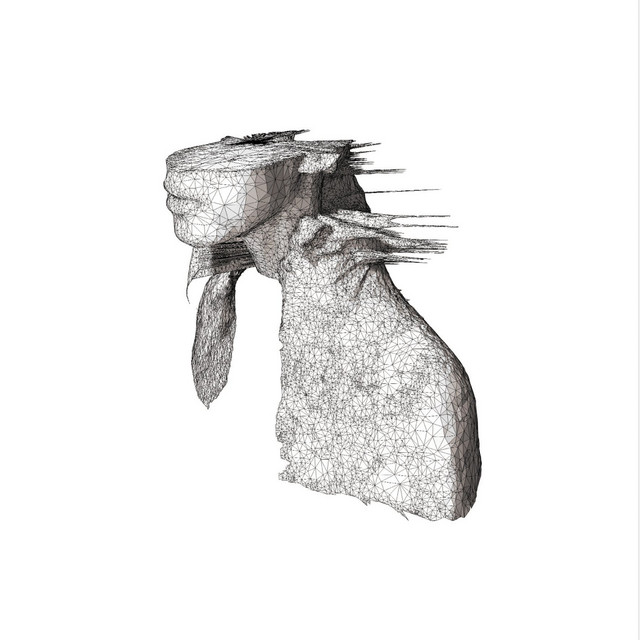
Clocks
The piano riff at the center of "Clocks" almost didn't make the record.
The piano riff at the center of “Clocks” almost didn’t make the record.
Guy Berryman found the progression by accident during a soundcheck in late 2001, cycling through chord inversions on a keyboard — E-flat, B-flat, F minor, descending and then back — and the band built the entire song around it in a single afternoon. Chris Martin had no lyrics. He wrote the words to fit the tempo, which meant he was chasing the music instead of leading it, and that chase is exactly what the song sounds like.
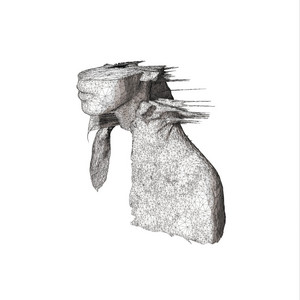
There’s a version of a Coldplay career where “Clocks” doesn’t exist. A Rush of Blood to the Head was nearly finished when the band wrote it, and the label wanted the album as it was. Martin and producer Ken Nelson pushed back. They believed in this thing enough to hold up the release, to fight for the extra track, to insist the record wasn’t done yet. In 2003, when the song won the Grammy for Record of the Year, it vindicated the argument. But the argument came first. The willingness to hold the door open a little longer — that’s where the song lives.
The lyrics Martin eventually wrote are strange and barely grammatical, which is the honest thing about them.
“The lights go out and I can’t be saved, tides that I tried to swim against.”
That’s not how a person talks. That’s how a person feels at three in the morning when the feeling is bigger than the sentence. Martin has said he didn’t fully understand what the words meant while he was writing them — he was filling space, following the piano, trying to say something true about urgency and exhaustion and running out of time. The compression worked in his favor. The images are fractured enough to stay open, so every person who has ever felt the clock working against them can step inside.
“You are.” That’s the chorus. Two syllables. The whole emotional weight of the song gets dropped into two words and then the piano comes back and takes over the job the words can’t finish.
The drums are Phil Harvey’s production note made physical — steady, driving, relentless, like a second hand that doesn’t apologize. Jon Buckland’s guitar doesn’t enter until the song is already in motion, and when it does it doesn’t compete with Berryman’s bass or the keys. It fills. That’s a band that had learned how to listen to each other, which is not a small thing.
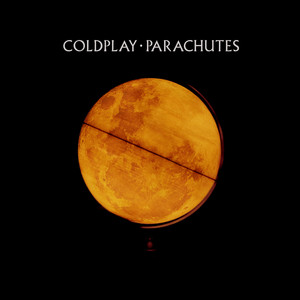
Ken Nelson recorded the album in Liverpool and London, and the sessions had a discipline that Coldplay’s earlier work didn’t quite have. Parachute was a band finding its feet. A Rush of Blood was a band deciding what it wanted to be — harder, more deliberate, less content to sit in the soft middle. “Clocks” is the purest expression of that decision. It doesn’t build gently. It starts where it means to stay: urgent, slightly out of breath, pressing forward without exactly knowing where forward goes.
The five minutes and seven seconds of the song have an interesting relationship with the idea of time. The song is about time running out, about the feeling that you’re always arriving too late, and it is also demonstrably unhurried. There’s no fake ending. There’s no breakdown and false resolution. It just goes, steadily, the piano holding everything in orbit, until it stops.
What Martin wrote in those lyrics he barely understood turned out to contain something worth keeping. The speaker is not asking to be rescued. Not asking for more time. Just acknowledging the tide, the closing light, the place that “I belong to.” There’s something almost resigned in it — not defeated, but clear-eyed. The urgency in the music and the acceptance in the words press against each other for the full five minutes, and neither one wins.
That’s the tension that makes a song last.
It came from a chord progression found by accident, a lyric written to fill a tempo, an argument with a label about whether the record was finished. None of that is mythology. It’s just how the afternoon went — a band in a room, a piano riff cycling back on itself, someone picking up a pen because the music was already moving and he needed to keep up.
The clock keeps going. That’s all it does. The song figured out that was enough.