White Horse
The white horse never shows up. Stapleton spends four and a half minutes calling for rescue that isn't coming, and he means every word.
The white horse never shows up.
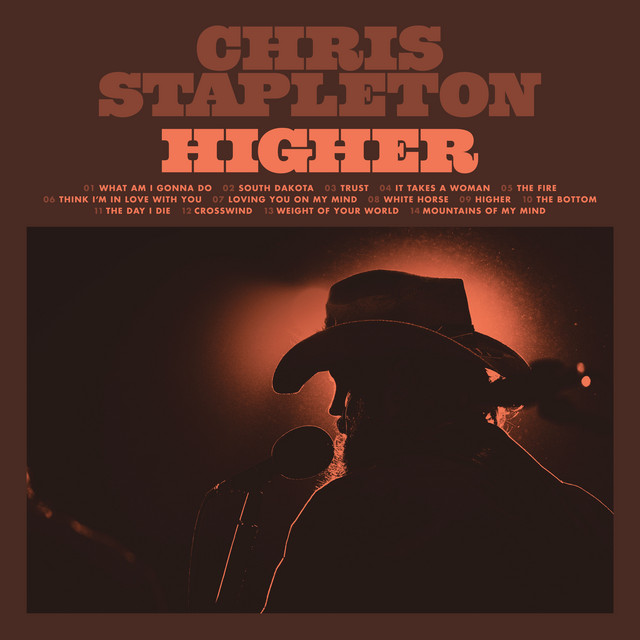
That’s the thing to know going in. “White Horse,” off 2023’s Higher, is a song about rescue — waiting for it, asking for it, needing it — and the rescue never arrives. Stapleton spends four and a half minutes calling for the cavalry, and the song ends and the field is still empty. He knew that when he wrote it. He sings it anyway.
The white horse is the oldest rescue image we have. The cavalry cresting the hill. The knight on his destined mount. The hero who shows up exactly when you’ve given up hoping. It’s the picture a culture reaches for when it wants to say somebody is coming for you, and most songs that borrow it borrow it cheap — the horse arrives, the day is saved, everybody goes home.
Stapleton takes the image seriously and refuses the ending. He doesn’t treat the horse as literal and he doesn’t treat it as a joke. He treats it as the shape of a need. The song isn’t about being saved. It’s about standing in the open and admitting you can’t save yourself, which is a harder thing to put on a record than any rescue.
“I’m looking for something that’s bigger than me.”
He sings that line straight. No wink, no hedge, no acknowledgment that asking for help might be embarrassing. It’s worth stopping on how rare that is. Most singers would armor a line like that — bury it in character, or distance, or volume. Stapleton just says it, backed by guitars that drone like church organs and drums that sound like they’re coming up through the floor. The arrangement doesn’t apologize for the line either. The whole band commits to it.
A man saying I need something bigger than me out loud, plainly, at full voice — that’s the entire song. Everything else is staging.
This is the lane Stapleton has worked his whole career. He came up walking the line between traditional country and something rawer — outlaw aesthetics carried with a preacher’s intensity — and the subjects he keeps returning to are not the subjects his format rewards. Modern country radio runs on trucks and beers and Friday nights. Stapleton writes about addiction. About redemption. About the specific way Southern men destroy themselves trying to be strong — the ones who’d rather go down quietly than say the sentence this song is built on.
“White Horse” belongs to that catalog. It’s another entry in a long conversation he’s been having about what happens when a man finally admits the strength ran out. The Western costume — the horse, the open country — doesn’t soften any of that. It just gives the admission somewhere to stand.
Then there’s the sound of the thing.
The production is massive without being loud, and that’s not an accident — it’s the only way to record him. Stapleton can fill an arena with his voice alone, which means a band behind him can’t compete on volume; it has to provide architecture instead. So that’s what they do. The guitars hold up the walls. The drums lay the floor. They build the room, and he stands in the middle of it and sings about waiting.
The size of the arrangement matters because of what the song is. A small, hushed recording of these words would sound like privacy — a man muttering his need where nobody can hear it. This recording is the opposite. It’s the need said at full scale, in the biggest room available, with nothing held back. He’s not whispering for help. He’s calling for it.
I keep coming back to the fact that the horse never comes, because that’s where the song stops being a Western and starts being true. If the cavalry arrived in the last verse, this would be a comfortable record. It doesn’t arrive. The longing is the whole song — the looking, not the finding — and Stapleton lets it stand unanswered because that’s how it actually goes. You ask. You wait. The field stays empty, and you keep asking.
It’s the song for whoever has gotten to the end of their own strength and found out what’s there. Not rescue. Just the honesty of saying so.
Some songs ask for help. This one demands it — full voice, open country, no horse in sight.