Runnin' Down A Dream
Mike Campbell wrote the riff in a hotel room, fast, the way the best parts come. The song is about going, and going is the point.
A road song should never tell you where it’s going. That sounds backwards — songs are supposed to be about something — but hold “Runnin’ Down a Dream” up to the claim and watch it prove itself. No girl, not really. No job, no place, no concrete dream being chased. A yucca and a tumbling tumbleweed in the first verse, a song on the radio, the sun going down. That’s the whole inventory, and the song moves like a jailbreak.
Petty understood the math: the more specific the dream, the smaller the song. Keep it open and everyone who has ever driven away from something can fill it in. Even it was a beautiful day, the sun beat down — a line that should be filler — turns into evidence in his hands. The world cooperating for once. The road opening up exactly when you needed it to.
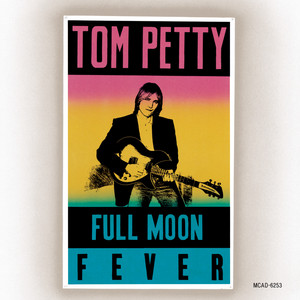
The riff came first. Mike Campbell wrote it in a hotel room in Los Angeles, fast, the way the best parts get written — a descending line that sounds like it was always there and he just found it. Petty heard it and knew exactly what to do with it. One of them finds the door, the other walks through it. He wrote the song in 1988, during the sessions that became Full Moon Fever, his first solo record, with Jeff Lynne producing — a wide, clean sound, drums hitting like a starting gun, guitars stacking up and locking in, Petty’s voice sitting on top, unhurried while everything under him sprints.
There’s something good waitin’ down this road. Not a destination. Not a plan. The certainty, felt in the body before the mind gets a vote, that movement itself is a form of faith.
The label wasn’t sure about Full Moon Fever. There were concerns. There are always concerns. Petty had already survived the real ones — the battles with MCA over pricing, the bankruptcy he filed in 1979 rather than let the label sell his contract without his consent — and by 1989 he had no interest left in concerns. The record came out and sold more than five million copies in the United States alone. That surprised almost everyone except him.
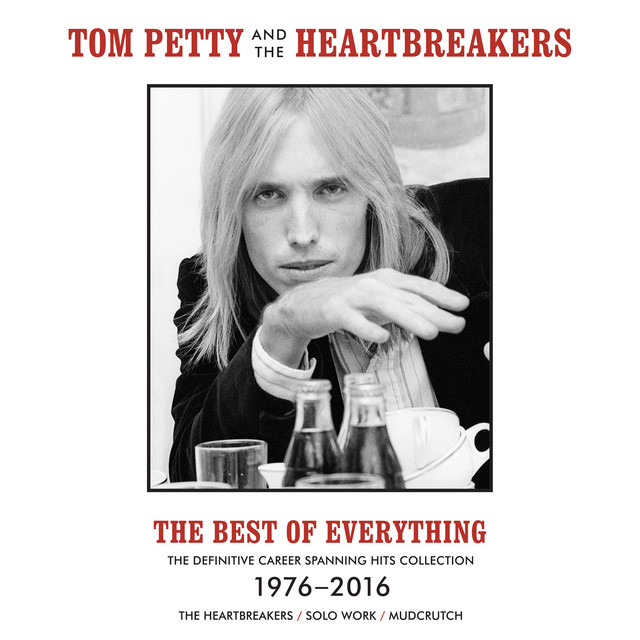
He died in October 2017, a few days after the last night of the Heartbreakers’ fortieth anniversary tour, sixty-six years old, having just played the Hollywood Bowl three times on a broken hip he didn’t tell anyone about, because the tour mattered more than the pain. The collection this song lives on now came out two years later, after he was gone, and a greatest-hits record issued posthumously stops being a celebration and becomes an accounting. This song sits near the top of it — not for anything it did on a chart, but for what it still does to a person at the wheel of a car on a long flat road with the windows down and nothing but time.