Romeo and Juliet
Knopfler fingerpicks the whole six minutes and never sets it down. The song circles the way a thought circles.
The fingerpicking never stops.
Six minutes long, and Mark Knopfler’s right hand does not rest once — no pick, just fingers on the strings, that opening cascade that sounds like water, like time, like everything falling at once. It cycles. It goes back to the start and begins again, and it keeps doing that until the song ends. Start there, with the hand that won’t stop moving, because the whole song is inside it.
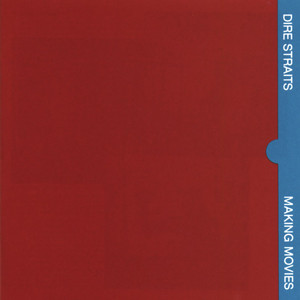
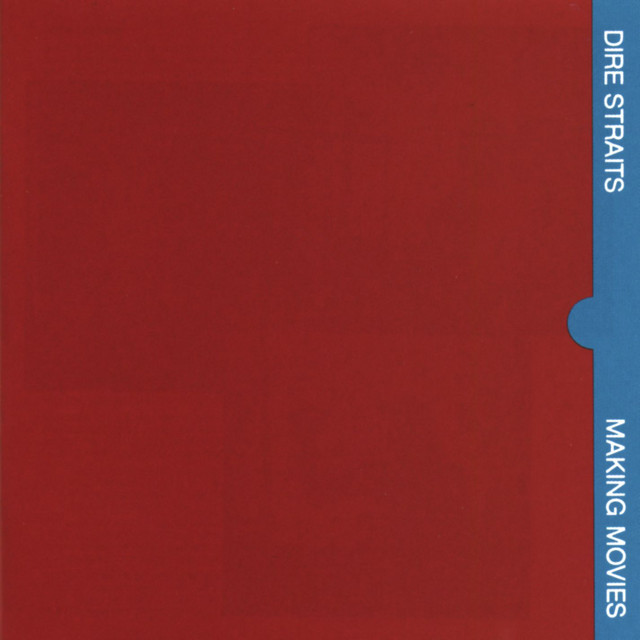
Knopfler wrote “Romeo and Juliet” about Holly Vincent — a real woman, a real ending, his own heartbreak set to six minutes of guitar. Making Movies came out in 1980, and by then the thing was already over, already something he was looking back on. You can hear the looking-back in the structure. A man keeps returning to the moment before she left, and the guitar returns with him. Nothing resolves. He just keeps playing.
It is easy to hear that circling as a flaw — a song that can’t find its way to an ending. It isn’t a flaw. It’s the most honest thing in it. Some things don’t resolve, and the fingerpicking refuses to pretend otherwise. It loops the way a thought loops when you cannot set it down, the way a person goes back over the last good day looking for the exact place where it turned.
“You promised me everything, you promised me thick and thin.”
What makes it land is how little Knopfler performs the grief. He doesn’t wail. He doesn’t reach for the big note that tells you it’s time to cry. He talk-sings it, almost offhand, in the flat voice people use when a wound has scarred over but never quite closed. He isn’t asking you to feel sorry for him. He’s reporting from inside it, and the restraint is the whole achievement.
And because he never oversells it, the song stopped being his. That’s the strange afterlife of a private heartbreak written down well. A man put his specific loss into specific words about two specific people, and the more specific he got, the more it belonged to everyone. Anyone who has ever circled back to the moment before something ended can climb inside this song. The narrowness is the door.
“And all I do is miss you and the way we used to be.”
A song carries one man’s grief out into the world, and the world picks it up and uses it — at closing time, in parked cars, in the long quiet after something ends. Nobody who borrows it adds anything. They just take what Knopfler already paid for and let it say the thing they don’t have the words for.
Then the fingerpicking starts again. It always starts again. That is either the saddest thing about the song or the most consoling, and after enough years it stops being clear there was ever a difference.