The Prayer
Kody West recorded "The Prayer" live to tape in a single pass, with no fixes after.
Kody West recorded “The Prayer” live to tape in a single pass, with no fixes after.
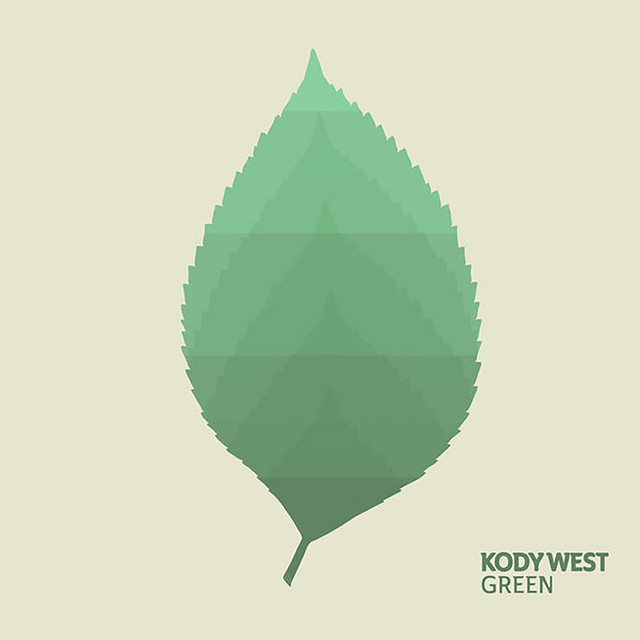
That’s the version on Green. No punch-ins, no comping the best pieces of three takes into one clean performance. He walked in, played it, and walked out with it. You can hear the room in the recording — a slight breathiness in the pauses, the kind of ambient quiet that tells you the microphone was picking up the air as much as the guitar. It sounds like a man in a room being honest. That’s because it was.
West came up in the Texas and Red Dirt scene, that circuit of clubs and dancehalls between Lubbock and Stillwater where the rule is you earn your crowd over and over again, night after night, and nobody cares who produced your record or what your Spotify numbers look like. The artists who come out of that circuit tend to play with a directness that mainstream Nashville production smooths away. West has that directness. Green has it in every song, but nowhere more than here.
“The Prayer” is what the title says it is. It doesn’t hide behind metaphor or story. A man kneels down at the end of the rope and talks to God — not eloquently, not with the formal language of somebody who grew up comfortable in church, but the way people actually pray when they mean it and nobody’s watching. Ragged. Direct. A little embarrassed by the need.
“I don’t even know if you’re there, but Lord I’m gonna try.”
That line is the whole song. He isn’t claiming faith. He isn’t performing faith. He’s doing what people do when they’re out of options and the alternative to praying is just sitting in the dark with nothing — he prays anyway, into the silence, not knowing if anything is listening. That uncertainty isn’t a crisis. It’s the most honest thing in the room.
There is a long tradition of country songs about prayer and church and God, and most of them resolve neatly. The faith is tested, and then it holds. The man goes down to the river and comes up clean. West doesn’t offer that. The prayer in this song doesn’t resolve. It just stops, the way real prayers stop — not because you’ve been answered, but because you’ve said everything you had.
The guitar work is spare. One acoustic instrument doing exactly what is needed and nothing extra. No pedal steel brought in to signal emotion, no piano swell telling you this part is where you’re supposed to feel something. The production — such as it is — gets out of the song’s way and lets the song do its work. The Red Dirt tradition at its most functional: the song is enough, trust it.
West was in his early twenties when he wrote and recorded this. There’s a particular kind of song you can only write from the inside of a bad year, and “The Prayer” has that quality — specific enough to be autobiographical, plain enough to be anybody’s. You don’t write a lyric like that from the outside looking in at somebody else’s desperation. You write it because you needed to put it somewhere and the song was the only container big enough.
The Red Dirt scene doesn’t have the infrastructure of Nashville behind it. There are no major-label budgets, no radio pluggers, no algorithmic playlists doing the work for you. What it has is rooms. Cain’s Ballroom in Tulsa. Billy Bob’s in Fort Worth. Gruene Hall down outside of New Braunfels. The artists who built their careers on that circuit built them song by song, fan by fan, the slow way. West built his career that way, and “The Prayer” is the kind of song that travels exactly like that — person to person, quietly, passed along by someone who needed it and thought someone else might too.
That’s a different kind of reach than a chart position. It doesn’t show up in any data, and it doesn’t stop.
The single take matters. Not as a production choice to praise for its craft, but because it means the hesitation in his voice is real. The pause before Lord is a real pause. When the song sounds like a man working up his nerve to say something he isn’t sure he believes, that’s because it is. Nothing in that recording was performed for the microphone. It was just recorded while it was happening.
Which is the only way a prayer can be made. You can’t schedule sincerity. You can’t punch it in later.