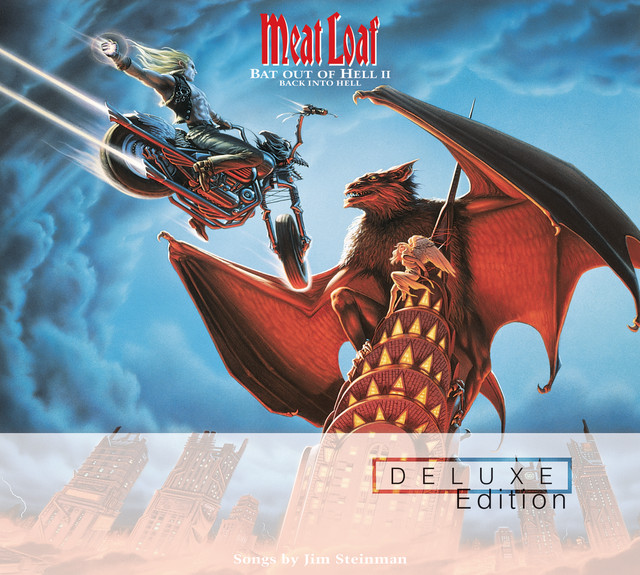
I'd Do Anything for Love (But I Won't Do That)
Every 'that' is the line she just sang. The answer was never hidden — most people just stopped listening at the chorus.
Every “that” is the line she just sang. That is the whole answer, and it has been sitting in plain sight for thirty years.
People debate it at parties. They assume the thing he won’t do is hidden somewhere inside the twelve minutes, buried under the orchestra, a riddle the song is keeping from them. It isn’t a riddle. She asks him a question, and he answers it.
Go to the final third. She starts asking him things. Will you forget the way I feel right now? He won’t do that. Will you do it better with someone else? He won’t do that. Each “that” points backward to the thing she just said. Plainly. In order. Every time. The song answers itself in real time, out loud, while it’s still playing.
People miss it because they stop listening at the chorus. I don’t say that to scold anyone. A twelve-minute song asks for more sitting-still than most people give any song, and the answer lives in the stretch where most listeners have already decided they know what the song is. The question got famous. The answer was there the whole time.
But the riddle isn’t why the song works. It works because of what Jim Steinman believed in 1993.
In 1993, irony was king. Everyone was too cool to feel anything, and saying what you meant at full volume was about the least fashionable thing a person could do. Steinman looked at that and bet there was still an audience for unapologetic theatrical bombast — for a song that feels everything, says all of it, and refuses to apologize for one bar.
He had been building this since the original Bat Out of Hell in 1977: rock songs with classical architecture and Broadway dramatics. He wrote songs the way Wagner composed operas — more is more is still not enough. By 1993 he had the formula. Give the listener an emotional experience so overwhelming they forget to be embarrassed.
Written out like that it sounds cynical. It isn’t. Forgetting to be embarrassed is just another name for letting the song in.
And Meat Loaf commits completely. The orchestra swells. The motorcycles rev — there are real motorcycles on the track. The female vocalist enters like an opera diva. It is ridiculous, it is twelve minutes long, and not one second of it hedges, winks, or leaves itself an exit. The song never acts like it knows how ridiculous it is, and that is the reason it isn’t.
The production carries the same conviction. Every instrument recorded at peak intensity, layered until the mix becomes a physical force. On paper it shouldn’t work. It works completely.
It went to number one in twenty-eight countries. Twenty-eight countries’ worth of people, in the most ironic year going, stood inside twelve minutes of orchestral excess and let it happen to them. Whatever was supposed to be embarrassing about feeling that much, they forgot it, exactly the way Steinman planned.
So the two complaints people make about this song — that it’s too much, and that nobody knows what “that” means — miss in the same direction, because the song is exactly as much as it means, and the meaning of “that” arrives in the final third, question by question, while she asks if he will forget the way she feels right now and he won’t do that, asks if he will do it better with someone else and he won’t do that, the famous riddle answering itself out loud, in order, over the orchestra and the motorcycles, in plain sight for thirty years, waiting on anyone who stayed past the chorus.