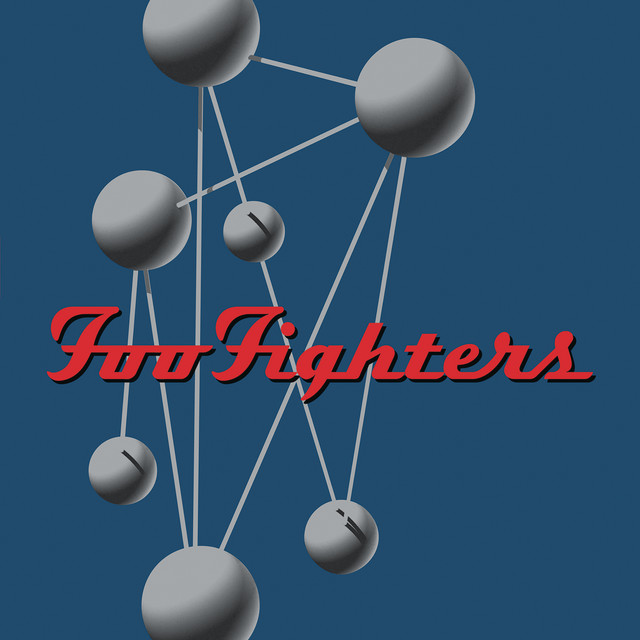
Everlong
Dave Grohl played nearly every instrument on Everlong himself, alone, while his marriage came apart.
A love song written from inside a happy ending doesn’t usually last. The ones that stick get written on the way out — and “Everlong” was written on the way out. Dave Grohl recorded most of it alone, playing nearly every instrument himself, while his marriage was coming apart.
The band he’d built from the ashes of Nirvana was still struggling to find its identity. Everything around him was uncertain. He sat down and made this anyway, mostly by hand.
The song is about the intensity of connection. The desire to stay in a moment forever, to feel so completely present with another person that time stops mattering. It is romantic in the most desperate sense of the word, which is the only sense that lasts.
“And I wonder if everything could ever feel this real forever.”
That line is a question dressed as a statement. Grohl knows the answer is no. Nothing lasts. But the song was never about how long a thing goes on. It is about how deep it goes while it’s here, about the moments when you feel so completely alive that the ending you know is coming doesn’t get a vote.
The quiet-loud structure is standard alternative rock, and he executes it with precision. The whispered verses. The choruses that break open. A guitar part that sounds like it’s being played by someone running out of time. The whole thing moves with barely controlled intensity, which is what a man’s life sounds like when it’s all happening at once.
Then he played it on Howard Stern with just an acoustic guitar, and that version became its own thing. Stripped to guitar and voice, “Everlong” turned out to be a folk song the whole time. It never needed the volume. The volume was the weather. The song was underneath it.
I’ve watched people get married to this song. I’ve watched people cry to it alone. It holds whatever you bring.
A man wrote the most direct love song of his life in the middle of losing the love he had, alone in a room, playing nearly every part himself. Four minutes of forever, made by someone who knew there was no such thing.