Stupid Boy
Sarah Buxton wrote the song about herself.
You’d swear Keith Urban wrote this one about himself. Six minutes of a man indicting the man who ruined something precious through plain carelessness — it sounds like a confession, and Urban’s history reads like the receipts. But that’s the wrong story. He didn’t write it. Sarah Buxton did, and she wrote it about herself.
Not about a man who hurt her, either — about the men she watched hurt women like her, women who folded themselves small to fit inside someone else’s hands. She was sitting with Evan Taubenfeld when they wrote it, both of them digging for what the lyric was really about, and what they landed on was this: the damage isn’t always done with cruelty. Sometimes it’s done by someone who simply never looks closely enough to see what he’s holding.
Buxton recorded her own version first. Hers is quieter — more like someone piecing the story together at the kitchen table. Then Urban called to say he was cutting it, and she has talked about that feeling: watching a song leave your hands and land somewhere bigger than you expected.
Here’s why the wrong story is so easy to believe. Urban knew the territory. He’d spent years burning himself down before he got clean, and the wreckage wasn’t his alone — it spread out to the people who cared about him, people who stayed too long and paid too much and believed too hard. He came to this song understanding what it means to be the one who couldn’t see what he had, and that knowledge is not decorative. You can hear it in the way he presses down on certain words, the way he lets the guilt accumulate without shaking it off. He sang it like a man who had done the arithmetic on his own life and come up short.
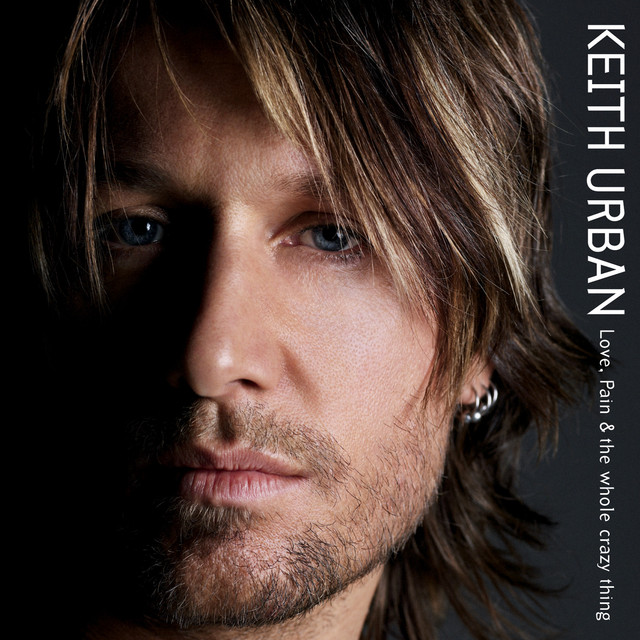
He cut it for Love, Pain & the Whole Crazy Thing in 2006, produced with Nathan Chapman, and from the first twelve seconds you can hear that nobody is in a hurry. She was precious like a flower, she grew wild, free and lost. The song is addressed to the man — the stupid boy of the title — and that’s the move that makes it work. Urban never turns to the woman to offer comfort or absolution. He stays on the person who caused the harm for the whole six minutes, which is a long time to keep your eyes on something you’d rather look away from. Where Buxton’s version pieces the story together, his builds the way grief builds, until that guitar break in the middle opens up and there are no more words adequate to the thing.
Six minutes and sixteen seconds was an unusual length for a country radio single, and country radio in 2006 was not famous for its patience with discomfort. The song didn’t get trimmed — cutting it would have meant cutting the way it refuses to resolve cleanly — and it found a way in regardless, peaking at number two on the Billboard Hot Country Songs chart. What mattered more than the chart position was who found it there: women who had never heard the thing they’d lived through described from that particular angle. Not sympathy aimed at them. Indictment aimed at him. There is a difference, and the difference is why so many people played it twice in a row.
What a waste, what a waste, what a beautiful waste. Nobody gets off clean in that line — not the boy, not the woman who believed him, not the listener who has been one or the other. The waste is beautiful because she was.
The song’s afterlife has been mostly quiet. It doesn’t show up on the greatest-hits countdowns the way Urban’s bigger singles do; it doesn’t get the arena treatment or the hands-in-the-air moment. People find it privately and keep it privately, which might be the only appropriate way to hold something this honest. Buxton handed it to someone who understood it well enough not to drop it, and he didn’t.