Who Did You Think I Was
The answer to the title question was already there in 2001, buried at the end of Room for Squares. It took seven years for anyone to hear it.
“Who Did You Think I Was” was already there in 2001, sitting at the end of Room for Squares like something John Mayer half-expected nobody to find.
It took seven years for anyone to hear it.
By then the deciding had already been done. Critics settled on a version of John Mayer early and never reconsidered: the guy who wrote “Your Body Is a Wonderland.” The VH1 heartthrob. The tabloid fixture who said terrible things in magazine interviews and dated actresses. That version got so loud it nearly drowned out the other one — the kid from Fairfield, Connecticut who wore out Stevie Ray Vaughan records, who dropped out of Berklee after one semester because he needed to be playing bars in Atlanta instead.
This song is the other one. And it isn’t blues-inflected or blues-adjacent or “bluesy” because there’s a bent note in the chorus. It’s an actual twelve-bar shuffle, straight out of the line that runs through Vaughan and Buddy Guy. He put it on his first record and almost nobody noticed, because nobody was looking for it there.
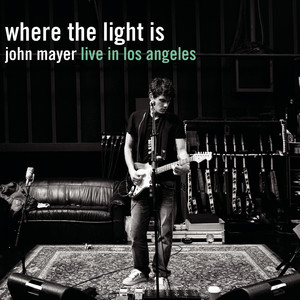
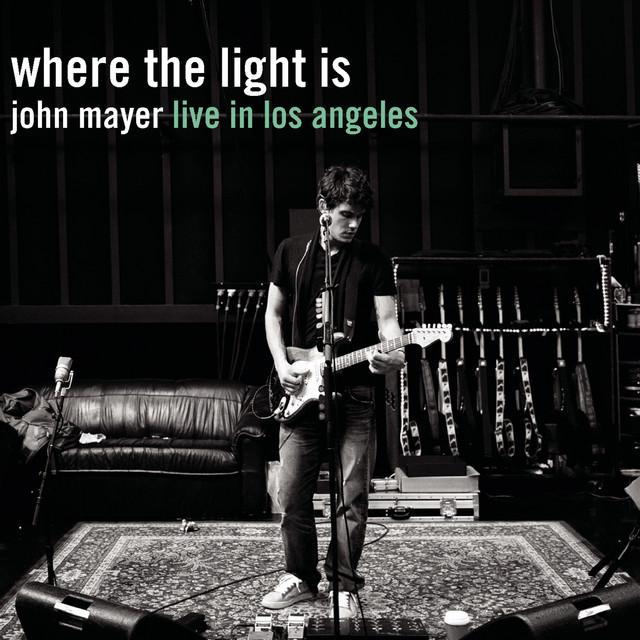
In December 2007, over three nights at the Nokia Theatre in Los Angeles, Mayer cut the record that became Where the Light Is. He played in three configurations: solo acoustic, trio, and full band. “Who Did You Think I Was” lives in the trio set, with Steve Jordan on drums and Pino Palladino on bass.
It matters who those two are. Jordan is one of the most decorated drummers in New York session history — he held the chair with Keith Richards in the X-Pensive Winos. Palladino is the bassist who took over for John Entwistle in The Who, an assignment you either grow into or get destroyed by. He grew into it.
Nobody hides next to those two. Mayer didn’t try.
The live version runs past four minutes and keeps accelerating, and the guitar gets more aggressive and less polished as it goes. That’s not a flaw. The solos have the loose, slightly dangerous sound of a player who practiced obsessively enough to let go of the practicing. He isn’t showing you what he can do. He’s doing it. Most guitarists never get from the first thing to the second.
“I’ve been out here before, don’t you know me by now?”
In 2001 that reads as bravado — the standard boast the blues runs on. By 2008 it’s a different sentence. Seven years of being misread will do that: critics who couldn’t get past the pop singles, audiences who wanted more of the same, a media that decided his story was about something other than what his hands were doing on a guitar every night. By the Nokia Theatre, the line is a plain question from a man asking to be seen as what he is.
Whether he always made it easy to see him clearly is a separate question, and a fair one. The song doesn’t pretend otherwise. It just asks.
The trio format is where he’s most honest, and I think that’s the whole reason this version exists. No production to stand behind. No radio single to aim at. Three people in a room, making the song as good as it can be that night. Jordan’s groove swings where it should and locks down where it should and knows the difference. Palladino sits so deep in the pocket you almost can’t hear him as a separate instrument — until you try to imagine the song without him.
And underneath all of it is the work. Not celebrity-side-project good, where people say he’s pretty good to be polite. Decades of it. The Stevie Ray records played until the grooves wore down. The hours in Atlanta bars before anybody knew his name. That’s what’s on the tape from those three nights — not an image, not a correction to an image, just the work, audible.
The title asks who you thought he was. He’d answered it in 2001, at the end of his first record, and the answer sat there for seven years while everyone argued about the wrong version of him.
The answer was on the record the whole time.