Hell of a View
Eric Church spent the lockdown writing, and what came out wasn't rebel country. It was a man stopped on the mountain, looking back at the climb.
Eric Church spent the pandemic lockdown writing.
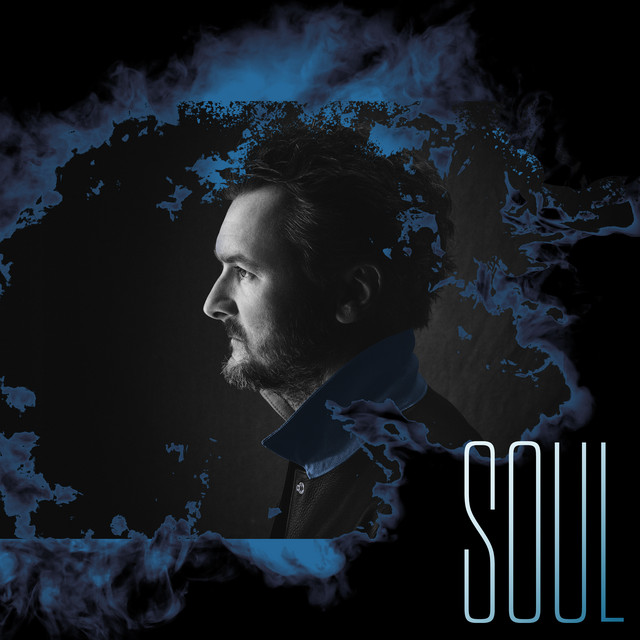
What came out of that stretch, on Heart & Soul in 2021, wasn’t the rebel country he built his name on. It was something more seasoned. A man who had been forced to stop moving for the first time in years, sitting still long enough to look back at where he’d been. “Hell of a View” is what he saw.
The song arrived in a year when everyone had a little too much time to think about where they’d been and where they were going. That’s not a small detail. There are songs you write in motion and songs you can only write stopped, and this is the second kind. You don’t take stock of the climb while you’re climbing. You take stock when the world locks the doors and leaves you alone with the ledger.
And the ledger in this song is honest. It doesn’t pretend life is easy. It doesn’t promise that everything happens for a reason — that lie has sold a lot of records and this song doesn’t reach for it once. It says something plainer. Look at where you’re standing. Look at what you can see from here. Was the climb worth it?
That’s the question. The song spends three minutes and fifty seconds answering it.
“This ain’t for everybody, to go out on a limb.”
No, it isn’t. The easy path is easy for a reason, and most people take it, and there’s no shame in that. But this song isn’t written to them. It’s written to the people who chose the harder one — who went out on the limb knowing it could break — and lived to tell about it. It doesn’t congratulate them. It just acknowledges what they know and the people on the ground don’t: what it looks like from up there.
There’s a line in the verses about being born to run, born to dream. On paper that reads like bragging. Sung the way Church sings it, it isn’t. It’s a man taking stock of who he is and refusing to apologize for it, even when being that person has cost him something. That’s a different act than boasting. Boasting asks for an audience. This is just a man saying what’s true about himself and standing there.
The production knows exactly what song it’s serving. Acoustic guitars ground the verses — that’s the looking-back, the taking-stock. Electric lifts the chorus — that’s the view itself opening up. It walks the line Church has always walked, country enough to play on Nashville radio, rock enough to fill an arena, and on this song the line isn’t a market position. It’s the shape of the story. Quiet while you count the cost. Loud when you see what it bought.
And then there’s the voice. Church sings this with a particular weathered quality, and that quality can’t be produced or borrowed. It only comes from actually living the songs you sing. You can hear the difference between a singer describing a hard road and a singer reporting from one. This is the second voice. The song would be a greeting card in the first one.
“It’s a hell of a view.”
Not despite the struggle. Because of it. That’s the turn the whole song hangs on, and it refuses to soften it into something easier. The view from the easy path doesn’t look like much. You have to earn the panorama, and the price is the climb — the scraped hands, the limbs that almost broke, the years you can’t get back. The song doesn’t say the price was fair. It says the price was paid, and here’s what it bought, and the man doing the accounting has decided he’d pay it again.
Some songs are about surviving. This one is about the moment after — looking back from the other side and understanding that all of it, the whole hard unreasonable climb, was how you got here.
Wherever here is. The song never says, and it doesn’t need to. Here is wherever you’re standing when you finally stop and turn around.
Church stopped because everything stopped. He turned around because there was nothing else to do. He wrote down what he saw.
You can’t see the view while you’re climbing. He wrote this one standing still.