Tripping Billies
Dave Matthews lost his father young. The happiest song on Crash is built on a line about dying, and he meant it.
Dave Matthews lost his father young.
You would not guess that from “Tripping Billies,” which is the happiest five minutes on Crash — a picnic song, beer and wine and lying in the grass on a warm afternoon with people you love. But the line everyone shouts along to is a line about dying. “Eat, drink and be merry, for tomorrow we die.” He meant it.
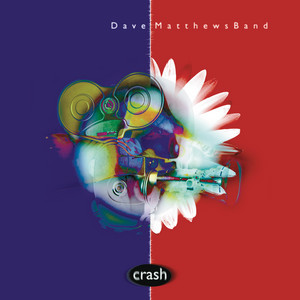
The song came out on Crash in 1996, the record that turned Dave Matthews Band from a cult into something unavoidable. The cult had been built the slow way — years of touring, soundboard cassettes passed hand to hand through college dorms up and down the East Coast. Steve Lillywhite produced the album at Bearsville Studios in upstate New York, a converted barn in the middle of winter, and you can hear the room in it — air around the instruments, a live quality most studio records don’t have. Lillywhite had made The Joshua Tree and Achtung Baby. He knew how to give a band space without letting them drift, and that is exactly what this band needed.
The engine of the song is Boyd Tinsley’s violin. Not the guitar. Matthews is comping underneath, LeRoi Moore’s saxophone sits back in the mix, and Stefan Lessard keeps the bottom quiet and steady — which takes discipline when the fiddle is doing what it’s doing up top. Tinsley saws through the rhythm with a kind of joyful aggression, music as a physical act first and an idea second. The whole arrangement lifts off the ground because of him.
So the surface of the song is a day in the sun. A picnic. Beer and wine, feet in the creek, the simple animal pleasure of being alive.
Then the chorus tells you why.
The line gets treated as a punchline — dorm-poster philosophy, the shrug of a guy opening another beer. But Ecclesiastes got there first, and Ecclesiastes was not shrugging. The pleasure is not in spite of the dying. It is because of it. Every drink, every afternoon in the grass, is one of a finite number. That is not a reason to despair. It is the reason to pay attention.
Matthews knew this in his body, not just from a book. He grew up between South Africa and Virginia. He lost his father young. There is a low hum of impermanence under even his most celebratory songs, and Crash is a record about desire and loss and the way they fold into each other — “Crash Into Me” at one end, “Two Step” at the other, and “Tripping Billies” in the middle, insisting that the right answer to the whole problem is the grass, the creek, the people you love, today.
There is a live version from Nissan Pavilion in 1995, the year before Crash came out, where the band stretches the song past seven minutes — Tinsley and Moore trading runs, the crowd holding its breath between peaks. A lot of people learned the song from that version, off the soundboard tapes that circulated before the internet made everything easy, and those people will tell you the studio cut is too short. They have a point. But Lillywhite knew when to stop. He understood that five minutes of the song hitting the way it hits was worth more than seven minutes of it looking for the landing.
So the album version ends before you’re ready.
I used to think that was a flaw. It isn’t. It is the song doing to you exactly what the afternoon does. You’re warm, the beer is cold, the fiddle is going — and then the shadows get long and someone starts folding up the blanket. The ending you weren’t ready for is the subject of the song. It always was.
A man who loses his father young does not need Ecclesiastes to explain that tomorrow is not guaranteed. He writes the brightest song he has, puts the oldest warning in the world in the chorus, and lets twenty thousand people sing it with their eyes closed.
Eat, drink, and be merry. The song ends. That’s why it’s a happy one.