Columbus
She had a suitcase and a train ticket and an address written on a piece of paper. The address was her cousin’s apartment in Queens. The cousin was already American by then—three years over, working at a textile factory, sending letters home about how the streets weren’t gold but the pay was real.
Grandma was nineteen. She didn’t speak much about the leaving.
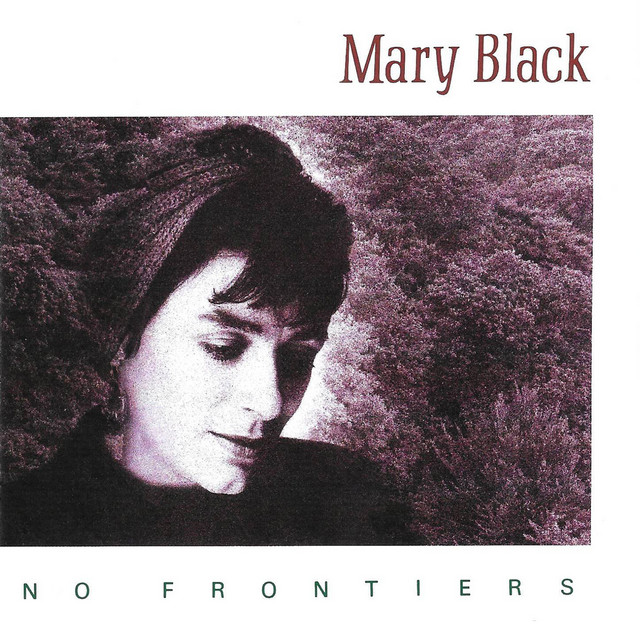
Mary Black wasn’t Irish when she recorded this—I mean, she was, obviously, born in Dublin, traditional folk royalty—but the song was written by two English songwriters who understood something about departure. They wrote about Columbus. Mary sang about everyone else.
“Dreaming of Columbus, with your maps and your beautiful charts.”
My grandmother had a map. One of those foldout things from a gas station, probably, picked up somewhere between the boat and the train. She marked the route to Queens in pencil. I found it after she died, tucked into a Bible she never read, creased so many times the paper had gone soft.
She was dreaming of something. Not discovery—she wasn’t an explorer. Just escape. Just elsewhere. Just anywhere that wasn’t the farm with the cold rooms and the brothers who got everything and the future that was already written for her in a language she didn’t choose.
“And the world is round.”
That’s the line that gets me. It sounds like wonder, but it’s really about options. The world is round, which means you can keep going, which means there’s no edge to fall off, which means the only thing stopping you is your own willingness to leave everything behind.
She left.
Galway. Her mother. The accent she slowly trained herself to lose. The songs she only sang when she thought no one was listening.
I heard her once, near the end. Alzheimer’s had taken most of her English by then, but she still had the Irish. She was sitting in her chair by the window, humming something I didn’t recognize, looking at a horizon that wasn’t there.
She never went back. Sixty-three years in America, and she never once returned. I asked her about it when I was a kid—“Don’t you miss it?”—and she looked at me like I’d asked why water was wet.
“You can’t miss a place that doesn’t exist anymore,” she said.
She didn’t mean Galway was gone. She meant the version of her that belonged there was. The world is round. You keep going. You become someone else.
Mary Black’s voice could fill a cathedral, but she chooses to sit right next to your ear. The restraint is everything. The song doesn’t push. It just presents. It says: here’s what it costs to leave. Here’s what it costs to stay.
Grandma chose to leave.
I’ve never been brave enough to ask if she’d choose it again.